Inhibiting Neutrophil Extracellular Traps (NETs) in Immune Injury and Pathologic Clotting

Graphic- Inhibiting Neutrophil Extracellular Traps (NETs) in Immune Injury and Pathologic Clotting
Neonatal NET-inhibitory Factor (nNIF) blocks the neutrophil extracellular trap (NET) formation and pathologic clotting associated with pneumonia in patients with COVID-19.

Deficient or excess immune system activities cause many human diseases.  To understand the mechanisms of immune injury and their links to pathologic clotting, University of Utah Health investigators Christian Yost, MD, Guy Zimmerman, MD, and colleagues defined features of neutrophil extracellular traps (NETs). NETs are extracellular lattices of sticky, unwound DNA studded with antimicrobial proteins which are normally released by neutrophils to capture and kill microbes. However, excess NET formation leads to inflammatory injury and clotting in diseases such as sepsis. These researchers also discovered a protein, produced by the placenta, which blocks NET formation. Called neonatal NET-Inhibitory Factor (nNIF), this protein was shown in mouse studies to improve survival of severe infection.

Yost and Zimmerman’s work allowed fellow University of Utah Health investigator Elizabeth Middleton, MD, to respond immediately when COVID-19 struck. Middleton and colleagues identified a connection between NET-related clotting and pneumonia and respiratory failure in patients with COVID-19. They also found that nNIF blocked NET formation in COVID-19 patients’ blood. Thus, by triggering pathological clotting, NET formation may contribute to serious symptoms of severe COVID-19. This discovery highlights NET inhibition as a promising strategy for new therapies.

References:

Issues Icon

Neonatal NET-inhibitory factor and related peptides inhibit neutrophil extracellular trap formation. Yost CC, Schwertz H, Cody MJ, Wallace JA, Campbell RA, Vieira-de-Abreu A, Araujo CV, Schubert S, Harris ES, Rowley JW, Rondina MT, Fulcher JM, Koening CL, Weyrich AS, Zimmerman GA. J Clin Invest. 2016 Oct 3;126(10):3783-3798.

Issues Icon

Neutrophil extracellular traps contribute to immunothrombosis in COVID-19 acute respiratory distress syndrome. Middleton EA, He XY, Denorme F, Campbell RA, Ng D, Salvatore SP, Mostyka M, Baxter-Stoltzfus A, Borczuk AC, Loda M, Cody MJ, Manne BK, Portier I, Harris ES, Petrey AC, Beswick EJ, Caulin AF, Iovino A, Abegglen LM, Weyrich AS, Rondina MT, Egeblad M, Schiffman JD, Yost CC. Blood. 2020 Sep 3;136(10):1169-1179.

Translating Influenza Immunization in Pregnancy into Infant Immunity


Infants with influenza are at increased risk for adverse outcomes, particularly in the first six months when they are unable to mount a sufficient response to influenza immunization. Few large-scale studies have evaluated the impact of maternal immunization during pregnancy on subsequent infant influenza outcomes. To address this gap, Julie Shakib, DO, and colleagues conducted a retrospective cohort study of 245,386 pregnant women and their infants over nine influenza seasons. They found that infants born to women reporting influenza immunization during pregnancy had risk reductions of 70% for influenza infection and 81% for influenza hospitalization in the first six months. The research group is now developing methods to investigate the optimal timing of immunization during pregnancy. This collective body of work aids the development of more targeted influenza-immunization strategies that better protect new mothers and their infants.

References:

Issues Icon

Influenza in infants born to women vaccinated during pregnancy. Shakib JH, Korgenski K, Presson AP, Sheng X, Varner MW, Pavia AT, Byington CL. Pediatrics. 2016 Jun;137(6): e20152360.

Press Releases and Media:

U of U Health Key Faculty Collaborators

Andrew T. Pavia, MD
Michael W. Varner, MD
Angela P. Presson, PhD
Carrie L. Byington, MD
Xiaoxi Liu, PhD

The Power of mRNA in Anucleate Platelets

Graphic- The Power of mRNA in Anucleate Platelets
During the process of platelet formation, megakarycoytes transfer RNA-processing machinery and thousands of mRNAs, which code for thromboinflammatory protein products that regulate human diseases.

Platelets are the smallest cell in the bloodstream, and one of the few anucleate cells (i.e., cells that circulate without a nucleus). Because of their small size and anucleate stature, platelets have historically been conceived of as “sacs of glue” that function solely to stop bleeding. Andrew Weyrich, MD, and his group made the seminal discovery that anucleate human platelets transform messenger RNA (mRNA) into mature products that code for protein. More recently, his group found that a specific type of microRNAs (Dicer1-dependent) and their precursors (megakaryocytes) modulate the expression of target mRNAs important for cellular function.

These observations revolutionized the field of hematology, leading to an explosion of studies that use mRNA profiling to identify previously-unrecognized functions of megakaryocytes and platelets that regulate thrombosis and inflammation (i.e., thromboinflammation). This work has also advanced scientific understanding of non-traditional functions of platelets that regulate the course of numerous diseases, including cardiovascular disease, diabetes, and infectious syndromes.  

References:

Issues Icon

Escaping the nuclear confines: signal-dependent pre-mRNA splicing in anucleate platelets. Denis MM, Tolley ND, Bunting M, Schwertz H, Jiang H, Lindemann S, Yost CC, Rubner FJ, Albertine KH, Swoboda KJ, Fratto CM, Tolley E, Kraiss LW, McIntyre TM, Zimmerman GA, Weyrich AS. Cell. 2005 August 12;122(3):379. 

Issues Icon

Regulation of the genetic code in megakaryocytes and platelets. Rondina MT, Weyrich AS. J Thromb Haemost. 2015 June; 13 Suppl 1(0 1):S26. PMCID: PMC4498409.

Issues Icon

Dicer1 mediated miRNA processing shapes the mRNA profile and function of murine platelets. Rowley JW, Chappaz S, Corduan A, Chong MMW, Campbell RA, Khoury A, Manne BK, Wurtzel JGT, Michael JV, Goldfinger LE, Mumaw MM, Nieman MT, Kile BT, Provost P, Weyrich AS.  Blood. 2016 April 7;127(14):1743. PMCID: PMC4825412.

Issues Icon

The platelet transcriptome in health and disease. Rowley JW, Weyrich AS, Bray PF. AD Michelson, ed. In Platelets Fourth Edition Elsevier London. 2019:139. 

U of U Health Key Faculty Collaborators

Guy A. Zimmerman, MD 
Matthew T. Rondina, MD
Jesse Rowley, PhD

(Pro)Renin Receptor: A Novel Target for Hypertension, Kidney Disease, and Metabolic Syndrome

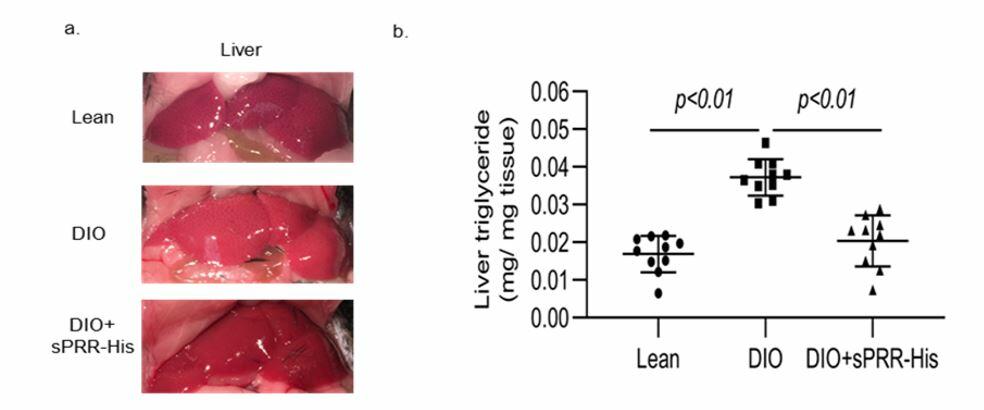
Recombinant sPRR ameliorates fatty liver as well as other components of metabolic syndrome in mice with diet-induced obesity. Normal diet (lean); diet-induced obesity (DIO); histidine-tagged sPRR (sPRR-His).

The enzyme renin plays a role in the development of hypertension (high blood pressure), cardiovascular disease, and kidney disease. Studies in mice and rats unexpectedly uncovered other biological activities of the receptor for renin and its precursor, (pro)renin receptor (PRR).  University of Utah Health researcher Tianxin Yang, MD, PhD, and colleagues have made a series of new discoveries about the function of PRR. They demonstrated that PRR activation stimulates sodium and water retention by the kidney, causing hypertension; over-activation of PRR also causes kidney damage. Targeting this pathway with a compound that blocks PRR is highly effective in treating hypertension and chronic kidney disease in rodents. 

Yang and colleagues also showed that a soluble form of PRR found in the body, sPRR, similarly has multiple functions. In addition to regulating kidneys’ handling of sodium and water, administration of sPRR effectively treats multiple components of metabolic syndrome in mice, including obesity, diabetes, and fatty liver. Yang is now actively developing and testing technologies based on these discoveries to treat various human diseases. 

References:

Issues Icon

Prostaglandin E-prostanoid4 receptor mediates angiotensin II-induced (pro)renin receptor expression in the rat renal medulla. Wang F, Lu X, Peng K, Zhou L, Li C, Zhang A, Yang T. Hypertension. 2014 Aug;64(2):369-77.

Issues Icon

Soluble (pro)renin receptor via β-catenin enhances urine concentration capability as a target of liver X receptor. Lu X, Wang F, Xu C, Soodvilai S, Peng K, Su J, Zhao L, Yang KT, Feng Y, Zhou SF, Gustafsson J-A, Yang T. Proc Natl Acad Sci USA. 2016 Mar 29;113(13):E1898-906.

Issues Icon

Antidiuretic action of collecting duct (pro)renin receptor downstream of vasopressin/EP4 receptor. Wang F, Lu X, Peng K, Fang H, Zhou L, Su J, Nau A, Yang K, Ichihara A, Lu A, Zhou SF, Yang T. J Am Soc Nephrol. 2016 Oct;27(10):3022-3034.

Issues Icon

Activation of renal (pro)renin receptor contributes to high fructose-induced salt sensitivity. Xu C, Lu A, Lu X, Zhang L, Fang H, Zhou L, Yang T. Hypertension. 2017 Feb;69(2):339-348.

Issues Icon

Site-1 protease-derived soluble (pro)renin receptor targets vasopressin receptor 2 to enhance urine concentrating capability. Wang F, Xu C, Luo R,  Peng K, Ramkumar N, Xie S, Lu X, Zhao L, Zuo C-J, Kohan DE, Yang T. JCI Insight. 2019 Apr 4;4(7):e124174.

Issues Icon

Soluble (pro)renin receptor regulation of ENaC involved in aldosterone signaling in cultured collecting duct cells. Wang F, Luo R, Peng K, Liu X, Xu C, Lu X, Soodvilai S, Yang T. Am J Physiol Renal Physiol. 2020 Mar 1;318(3):F817-F825.

Issues Icon

Elabela antagonizes intrarenal renin-angiotensin system to lower blood pressure and protects against renal injury. Xu C, Wang F, Chen Y, Xie S, Sng D, Reversade B, Yang T. Am J Physiol Renal Physiol. 2020 May 1;318(5):F1122-F1135.

Issues Icon

COX-2-independent activation of penal (pro)renin receptor contributes to DOCA-salt hypertension in rats. Wang F, Sun Y, Luo R, Lu X, Yang B, Yang T. Am J Physiol Renal Physiol. 2020 Oct 1;319(4):F647-F653.

Issues Icon

Soluble (pro)renin receptor promotes fibrotic response in renal proximal tubule epithelial cells in vitro via Akt/β-catenin/Snail signaling pathway. Xie S, Su J, Lu A, Lai Y, MoS, PuM, Yang T. Am J Physiol Renal Physiol. 2020 Nov 1;319(5):F941-F953. 

Issues Icon

(Pro)renin receptor decoy peptide PRO20 protects against adriamycin-induced nephropathy by targeting intrarenal renin-angiotensin system. Luo R, Yang K, Wang F, Xu C, Yang T. Am J Physiol Renal Physiol. 2020 Nov 1;319(5):F930-F940.

Issues Icon

Site-1 protease-derived soluble (pro)renin receptor contributes to angiotensin II-induced hypertension in mice. Feng Y, Peng K, Luo R, Wang F, Yang T. Hypertension. 2021 Feb;77(2):405-416. 

Issues Icon

Soluble (pro)renin receptor induces endothelial dysfunction and hypertension in mice with diet-induced obesity via activation of angiotensin II type 1 receptor. Fu Z, Wang F, Liu X, Hu J, Su J, Lu X, Lu A, Cho JM, Symons JD, Zou CJ, Yang T. Clin Sci (Lond). 2021 Mar 26;135(6):793-810.

Issues Icon

Mutagenesis of the cleavage site of (pro)renin receptor abrogates angiotensin II-induced hypertension in mice. Wang F, Chen Y,  Zou C, Luo R, Yang T. Hypertension. In press.

Regulation of Innate Immune Pathways

Schematic illustrating how ancient viral DNA elements in our genome have become repurposed to help regulate mammalian immune defenses.

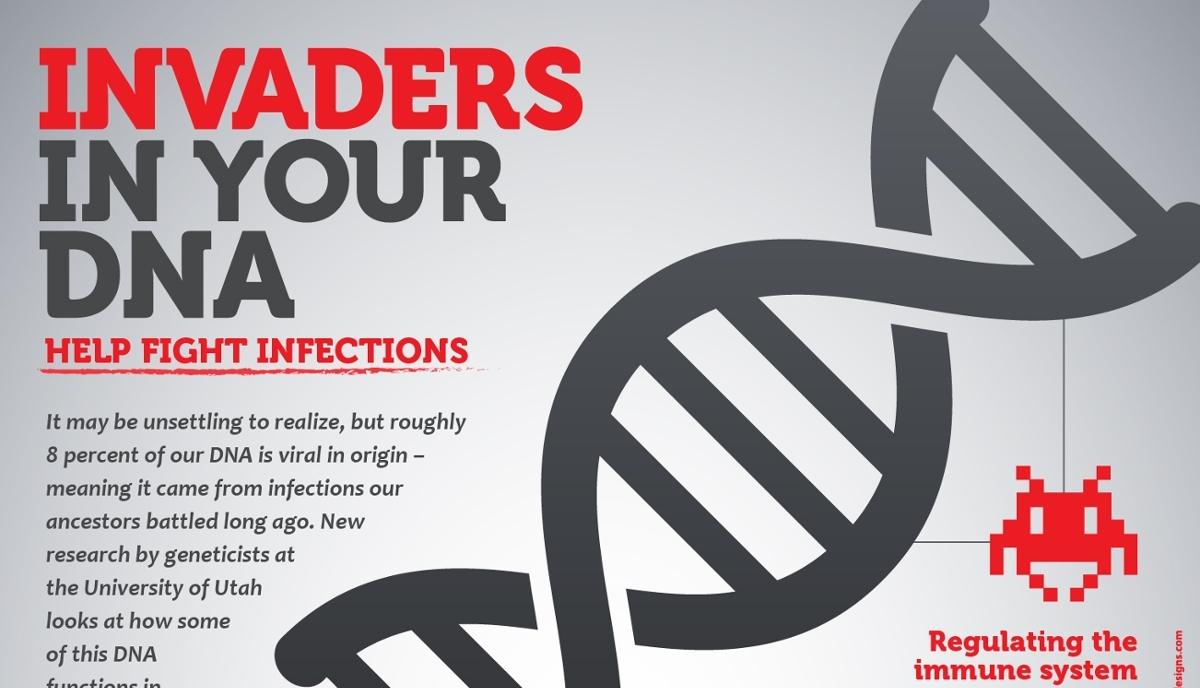
Cells must regulate their innate immune pathways so that they can respond rapidly to pathogens, yet avoid aberrant activation that can lead to inflammation. The evolution of these regulatory mechanisms remains to be understood.

Elde, Feschotte and colleagues demonstrated that endogenous retroviruses, and the promoters that they introduce into the genome, have been co-opted by cells to play critical roles in regulating the innate immune system. Although these regulatory sequences likely arose in ancient viruses, they now constitute a dynamic reservoir of interferon-inducible enhancers that fuel genetic innovation in mammalian immune defenses. Thus, we have turned the tables, and ancient viral DNA has now become important for mounting a proper defense against today’s viral infections.

Three men in front of white board
Cedric Feschotte, PhD, Edward Chuong, PhD, Nels Elde, PhD discuss viral DNA fragments help fight viral infections.

References:

Issues Icon

Regulatory evolution of innate immunity through co-option of endogenous retroviruses Chuong EB, Elde NC, Feschotte C. Science. 2016 Mar;351(6277):1083.

Issues Icon

Regulatory activities of transposable elements: from conflicts to benefits. Chuong EB, Elde NC, Feschotte C. Nat Rev Genet. 2017 Feb;18(2):71.

Press Releases and Media:

Cellular Membrane Remodeling

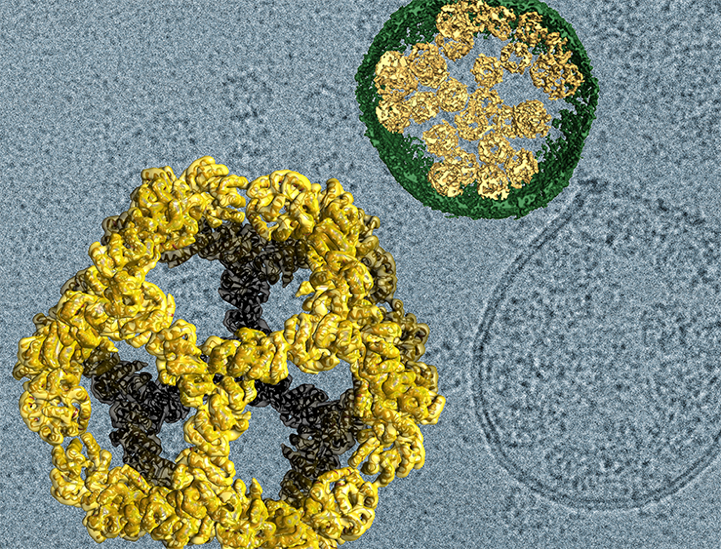
ESCRT-III filaments constricting a membrane. (Janet Iwasa)

Cells are continually severing, fusing, and reshaping their membranes. One of the essential cellular membrane remodeling systems is the ESCRT (Endosomal Sorting Complexes Required for Transport) pathway, whose cellular functions include endosomal membrane remodeling, membrane repair, enveloped virus budding, closure of the nuclear envelope, and cytokinetic abscission. Subunits of the ESCRT-III complex perform vital roles in these processes by forming membrane-bound filaments.

To understand how these filaments shape membranes, Frost, Sundquist and colleagues used cryo-EM to determine the first high-resolution structure of an ESCRT-III filament. The structure revealed how ESCRT-III subunits open and interlock in an elaborate domain-swapped filament architecture. Unexpectedly, the results showed that ESCRT-III filaments contain two ESCRT-III strands and that analogous ESCRT-III filament architectures can curve and constrict membranes to different degrees and directions.

References:

Issues Icon

Structure and membrane remodeling activity of ESCRT-III helical polymers. McCullough J, Clippinger AK, Talledge N, Skowyra ML, Saunders MG, Naismith TV, Colf LA, Afonine P, Arthur C, Sundquist WI, Hanson PI, Frost A. Science. 2015 Dec;350(6267):1548.

Press Releases and Media:

Text icon

University of Utah Health: A Molecular Noose Caught in the Act

Blood Pressure Treatment Target

Graphic- Blood Pressure Treatment Target

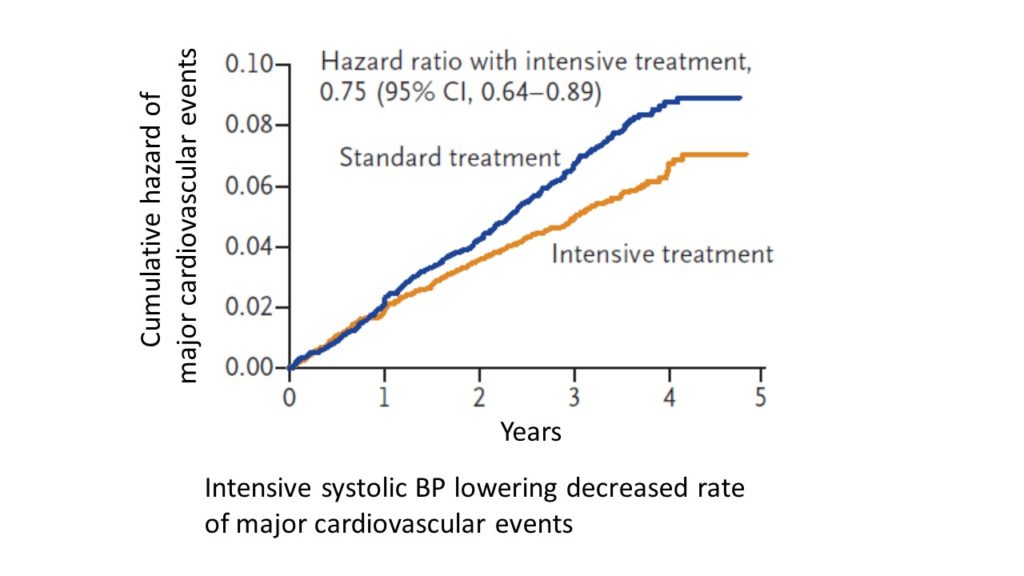
Researchers have long debated the optimal blood pressure for people more than 50 years old, especially in older adults who might not tolerate lower blood pressure. Alfred Cheung, MD, and colleagues at University of Utah Health led one of five national Clinical Center Networks to design and conduct the Systolic Blood Pressure Intervention Trial (SPRINT). They examined whether targeting a systolic blood pressure below 120 mm Hg would improve health outcomes compared to targeting systolic blood pressure below 140 mm Hg, previously considered the standard target. 

Cheung and colleagues found that intensive blood pressure lowering led to a 25% decrease in major cardiovascular events and all-cause mortality. Adam Bress, PharmD and colleagues determined that the intervention was also economically cost-effective. The cardiovascular and survival benefits extended to people over 75 years old and to individuals with underlying kidney disease or prediabetes, without significant side effects. Additional analyses showed that intensive blood pressure lowering also decreased the combined rate of mild cognitive impairment, including in older adults. This landmark study led to new clinical practice guidelines and changed perceptions of the risk/benefit ratio of intensive blood pressure control in older adults.  

References:

Issues Icon

A randomized trial of intensive versus standard blood-pressure control. SPRINT Research Group, Wright JT Jr, Williamson JD, Whelton PK, Snyder JK, Sink KM, Rocco MV, Reboussin DM, Rahman M, Oparil S, Lewis CE, Kimmel PL, Johnson KC, Goff DC, Fine LJ, Cutler JA, Cushman WC, Cheung AK, Ambrosius WT. N Engl J Med. 2015 Nov;373(22):2103-2116.

Issues Icon

Intensive vs standard blood pressure control and cardiovascular disease outcomes in adults aged ≥75 years: a randomized clinical trial. Williamson JD, Supiano MA, Applegate WB, Berlowitz DR, Campbell RC, Chertow GM, Fine LJ, Haley WE, Hawfield AT, Ix JH, et al., SPRINT Research Group. JAMA. 2016 Jun;315(24):2673-2682. 

Issues Icon

Effect of intensive versus standard blood pressure treatment according to baseline prediabetes status: a post hoc analysis of a randomized trial. Bress AP, King JB, Kreider KE, Beddhu S, Simmons DL, Cheung AK, Zhang Y, Doumas M, Nord J, Sweeney ME, et al., SPRINT Research Group. Diabetes Care. 2017 Aug;40(10):1401–1408.

Issues Icon

Effects of intensive BP control in CKD. Cheung AK, Rahman M, Reboussin DM, Craven TE, Greene T, Kimmel PL, Cushman WC, Hawfield AT, Johnson KC, et al., SPRINT Research Group. J Am Soc Nephrol. 2017 Sep;28(9):2812-2823.

Issues Icon

Effects of intensive systolic blood pressure control on kidney and cardiovascular outcomes in persons without kidney disease: a secondary analysis of a randomized trial. Beddhu S, Rocco MV, Toto R, Craven TE, Greene T, Bhatt U, Cheung AK, Cohen D, Freedman BI, Hawfield AT, et al., SPRINT Research Group. Ann Intern Med. 2017 Sep;167(6):375-383.

Issues Icon

Effect of intensive vs standard blood pressure control on probable dementia: a randomized clinical trial. SPRINT MIND Investigators for the SPRINT Research Group, Williamson JD, Pajewski NM, Auchus AP, Bryan RN, Chelune G, Cheung AK, Cleveland ML, Coker LH, Crowe MG, et al., JAMA. 2019 Feb;321(6):553-561.

Issues Icon

Intensive vs standard blood pressure control in adults 80 years or older: a secondary analysis of the Systolic Blood Pressure Intervention Trial. Pajewski NM, Berlowitz DR, Bress AP, Callahan KE, Cheung AK, Fine LJ, Gaussoin SA, Johnson KC, King J, Kitzman DW, et al., J Am Geriatr Soc. 2019 Mar;68(3):496-504.

Issues Icon

Association of intensive vs standard blood pressure control with cerebral white matter lesions. SPRINT MIND Investigators for the SPRINT Research Group, Nasrallah IM, Pajewski NM, Auchus AP, Chelune G, Cheung AK, Cleveland ML, Coker LH, Crowe MG, Cushman WC, Cutler JA, et al., JAMA. 2019 Aug;322(6):524-534.

Issues Icon

Final Report of a Trial of Intensive versus Standard Blood-Pressure Control. SPRINT Research Group, Lewis CE, Fine LJ, Beddhu S, Cheung AK, Cushman WC, Cutler JA, Evans GW, Johnson KC, Kitzman DW, et al., N Engl J Med. 2021 May 20;384(20):1921-1930.

U of U Health Key Faculty Collaborators

Srinivasan Beddhu, MD
Adam Bress, PharmD
Gordon Chelune, PhD
Mark A. Supiano, MD
Tom Greene, PhD

Host-Microbe Battles Over Iron

Host Microbe Battles Over Iron
Left: Traces of the ancient battle for iron are in the DNA of people worldwide (green). Right: Mutations over evolutionary time have enabled pathogens to scavenge iron by binding the host transferrin protein, and for the host to evade this iron piracy. Credit: Janet Iwasa, Ph.D., University of Utah

Hosts and pathogens are locked in an endless battle to gain selective advantages over one another. Host-pathogen interactions, therefore, provide valuable systems for studying evolutionary genetics, natural selection, microbiology, and infectious disease. The sequestration of essential iron has emerged as a crucial innate defense system termed nutritional immunity, leading pathogens to evolve mechanisms of ‘iron piracy’ to scavenge this essential metal from host proteins. This battle for iron carries numerous consequences not only for host-pathogen evolution but also for microbial community interactions.

The Elde lab demonstrated that the iron carrier protein transferrin has evolved to allow hosts to escape bacterial “iron piracy”. For example, one transferrin polymorphism allows hosts to evade iron piracy by the pathogenic bacterium, Haemophilus influenzae, revealing a functional basis for standing genetic variation in the human population. These findings identify a central role for nutritional immunity in the persistent evolutionary conflicts between primates and bacterial pathogens.

References:

Issues Icon

Escape from bacterial iron piracy through rapid evolution of transferrin.
Barber MF, Elde NC. Science. 2014 Dec;346(6215):1362.

Issues Icon

Buried treasure: Evolutionary perspectives on microbial iron piracy.
Barber MF, Elde NC. Trends Genet. 2015 Nov;31(11):627.

Press Releases and Media:

Age-Related Sarcopenia and Recovery Following Muscle Disuse

Graphic- Age-Related Sarcopenia and Recovery Following Muscle Disuse
Muscle atrophy is more pronounced in older adults following a disuse period. Moreover, muscle recovery following disuse atrophy in older adults is more variable, often slow and incomplete.

Aging coincides with frequent periods of muscle disuse and, when combined with subsequent poor muscle recovery, contributes to sarcopenia, loss of muscle during aging. In order to develop effective interventions to offset deficits in muscle mass and function, Micah Drummond, PhD, and colleagues studied the cellular and molecular events that accompany muscle disuse in older adults. They found that older adults are more susceptible to losing muscle mass and strength during disuse than young persons because of reduced protein synthesis and increased protein breakdown in the muscle. To intervene during disuse periods, they implemented therapeutic tools (e.g. protein supplementation and neuromuscular electrical stimulation) that increase protein synthesis and moderate muscle breakdown. Although weakness persisted, this dual treatment was successful in maintaining muscle mass. Their research suggests that current countermeasures will need to be refined, and new pharmacological agents explored, to maintain full muscle functionality during muscle disuse in older people.

References:

Issues Icon

Age-related differences in leg lean mass, protein synthesis and skeletal muscle markers of proteolysis after bed rest and exercise rehabilitation. Tanner, R.E., L. Brunker, J. Agergaard, K. Barrows, R. Briggs, O. Kwon, L. Young, P. Hopkins, E. Volpi, R. Marcus, P. LaStayo, M.J. Drummond. Journal of Physiology. 2015 September 15;593(18): 4259.

Issues Icon

Neuromuscular electrical stimulation combined with protein ingestion preserves thigh muscle mass but not muscle function in healthy older adults during 5-days of bed rest. Reidy PT, McKenzie AI, Brunker P, Nelson DS, Barrows KM, Supiano M, LaStayo PC, Drummond, MJ. Rejuvenation Research. 2017 December;20(6):449.

Issues Icon

Age-dependent skeletal muscle transcriptome response to bed rest-induced atrophy. Mahmassani ZS, Reidy PT, McKenzie AI, Stubben C, Howard MT, Drummond MJ. Journal of Applied Physiology. 2019 April 1;126(4):894.

Genetic Risk for Polycystic Ovary Syndrome

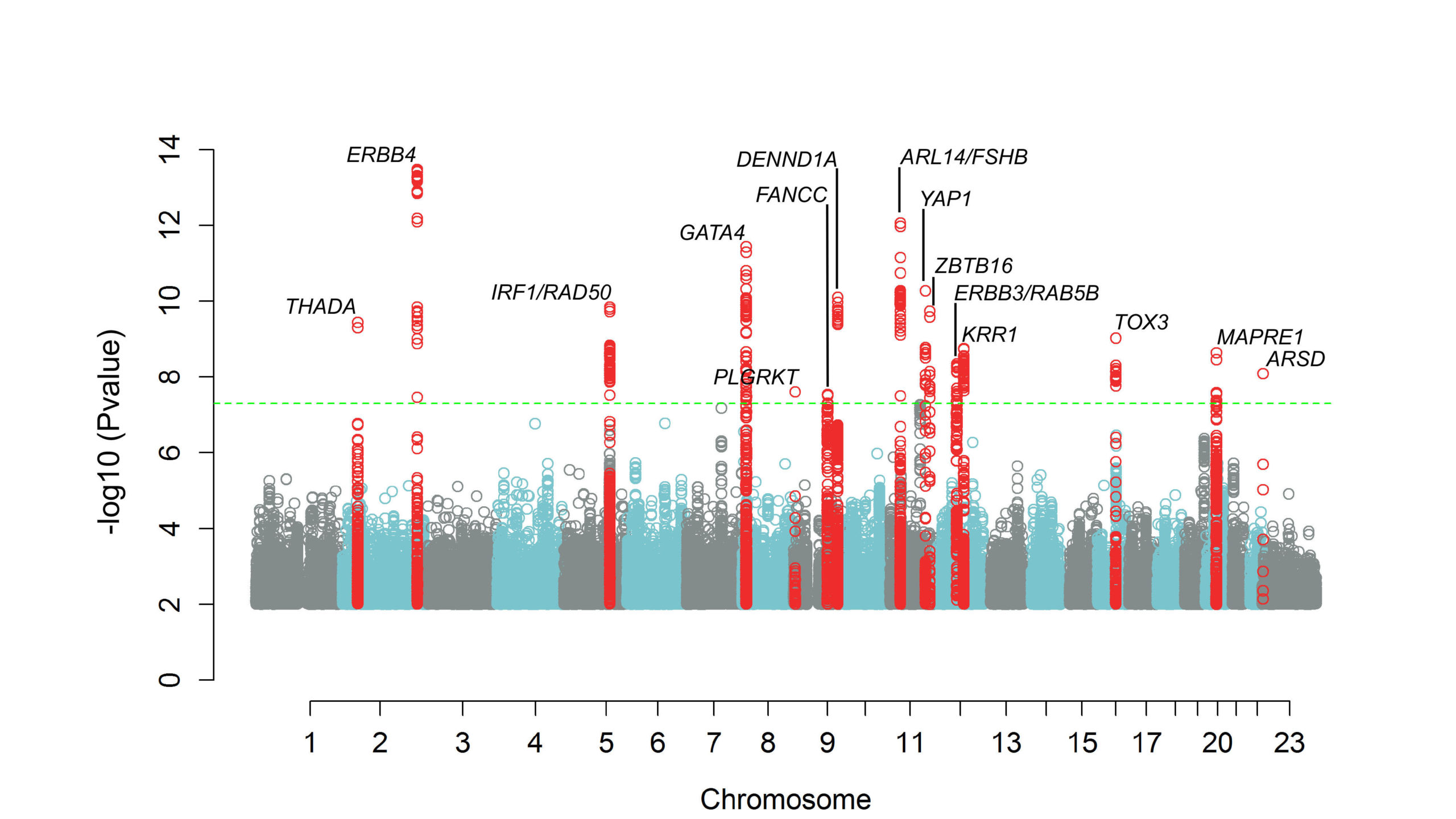
Fifteen gene regions that significantly increase risk for polycystic ovary syndrome (PCOS) are shown by red dots that lie above the green line, indicating high statistical significance.

Polycystic ovary syndrome (PCOS) is characterized by excessive androgen hormone, irregular menstrual cycles, and polycystic ovaries on ultrasound. Affected women also frequently experience metabolic disturbances, including obesity, and face increased risk for type 2 diabetes. University of Utah Health investigator Corrine Welt, MD, and collaborators performed an international meta-analysis of whole genome association studies combining over 10 million genetic markers in more than 10,000 European women with PCOS and 100,000 controls. 

They found three new risk variants associated with PCOS. The data demonstrate that the genetic architecture does not differ based on the diagnostic criteria used for PCOS. They also demonstrate a genetic pathway in PCOS that is shared with male pattern baldness, representing the first evidence for shared disease biology for PCOS in men. The data also demonstrate a novel genetic pathway associated with depression, demonstrating linked genetic risk for PCOS and depression. It also demonstrated that the genetic architecture underlying PCOS remains the same regardless of which criteria are used for diagnosis. 

These discoveries provide a comprehensive view of PCOS that encompasses multiple diagnostic criteria, gender, reproductive potential, and mental health. The data will help physicians better target underlying risk factors and comorbid disease in women with PCOS.

References:

Issues Icon

Gene variants associated with age at menopause are also associated with polycystic ovary syndrome, gonadotrophins and ovarian volume. Saxena R, Bjonnes AC, Georgopoulos NA, Koika V, Panidis D, Welt CK. Hum Reprod. 2015 Jul;30(7):1697-1703.

Issues Icon

Genome-wide association of polycystic ovary syndrome implicates alterations in gonadotropin secretion in European ancestry populations. Hayes MG, Urbanek M, Ehrmann DA, Armstrong LL, Lee JY, Sisk R, Karaderi T, Barber TM, McCarthy MI, Franks S, Lindgren CM, Welt CK, Diamanti-Kandarakis E, Panidis D, Goodarzi MO, Azziz R, Zhang Y, James RG, Olivier M, Kissebah AH; Reproductive Medicine Network, Stener-Victorin E, Legro RS, Dunaif A. Nat Commun. 2015 Aug 18;6:7502.

Issues Icon

Causal mechanisms and balancing selection inferred from genetic associations with polycystic ovary syndrome. Day FR, Hinds DA, Tung JY, Stolk L, Styrkarsdottir U, Saxena R, Bjonnes A, Broer L, Dunger DB, Halldorsson BV, Lawlor DA, Laval G, Mathieson I, McCardle WL, Louwers Y, Meun C, Ring S, Scott RA, Sulem P, Uitterlinden AG, Wareham NJ, Thorsteinsdottir U, Welt C, Stefansson K, Laven JSE, Ong KK, Perry JRB. Nat Commun. 2015 Sep 29;6:8464.

Press Releases and Media:

Genetics of Alcohol Abuse – from Flies to Humans

Graphic- Genetics of Alcohol Abuse – from Flies to Humans
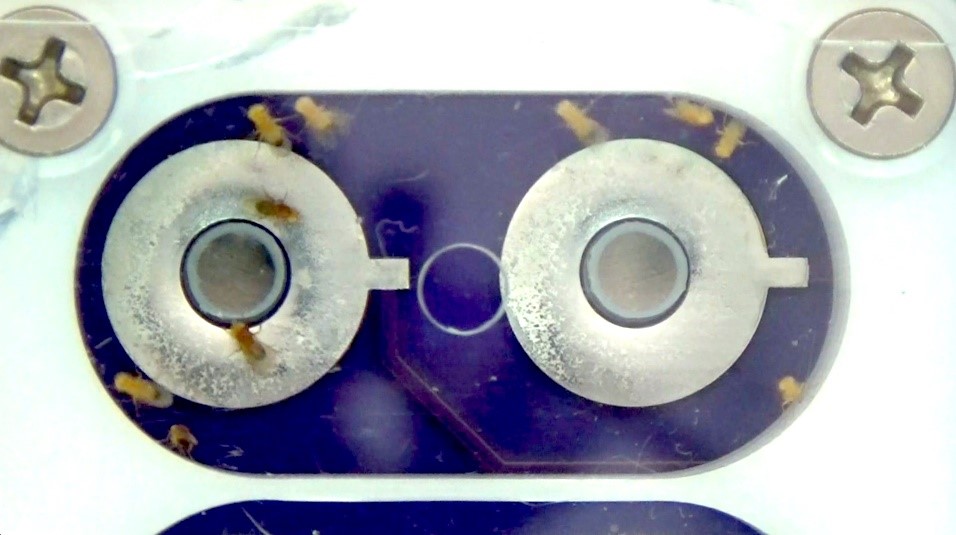
In the fly liquid-food interaction counter assay, flies choose between liquid sugar with (left) or without (right) 15% alcohol, yielding a measure for flies’ alcohol preference.

Genetic factors play a major role in the development of human alcohol use disorder. The fruit fly, Drosophila melanogaster, has been used as a model organism to isolate and characterize genes in many physiological disorders. Like many humans, flies initially dislike alcohol, but develop a taste for it with continued experience. In an unbiased screen, the lab directed by Adrian Rothenfluh, PhD, isolated flies lacking a certain gene (Rsu1) that produces a strong liking for alcohol, even before repeated exposure. Their investigations in Drosophila showed that Rsu1 and downstream signaling molecules regulate actin dynamics; genetic manipulations that increase actin filament turnover lead to accelerated development of alcohol preference, while manipulations that increase actin filament stability abolish the development of preference. Furthermore, they showed that variants of the human Rsu1 gene are associated with altered drinking behavior and with changes in brain activity after receiving a reward. Together, these findings show the power of unbiased approaches in model organisms to generate insights that can be translated to humans to advance scientific understanding of the genetic mechanisms driving alcohol use disorder. 

References:

Issues Icon

Rsu1 regulates ethanol consumption in drosophila and humans.  Ojelade SA, Jia T, Rodan AR, Chenyang T, Kadrmas JL, Cattrell A, Ruggeri B, Charoen P, Lemaitre H, Banaschewski T, Büchel C, Bokde ALW, Carvalho F, Conrod F, Flor H, Frouin V, Gallinat J, Garavan H, Gowland PA, Heinz A, Ittermann B, Lathrop M, Lubbe S, Martinot JL, Paus T, Smolka MN, Spanagel R, O’Reilly PF, Laitinen J, Veijola JM, Feng J, Desrivières S, Jarvelin MR, Schumann G, Rothenfluh A. Proc. Natl. Acad. Sci. U.S.A. 2015 Jul;112(30):E4085  

Issues Icon

Altered actin filament dynamics in the drosophila mushroom bodies lead to fast acquisition of alcohol consumption preference. Butts AR, Ojelade SA, Pronovost ED, Seguin A, Merrill CB, Rodan AR, Rothenfluh A. J Neurosci. 2019 Nov 6;39(45):8877.

Press Releases and Media:

U of U Health Key Faculty Collaborators

Aylin Rodan, PhD, MD
Julie Kadrmas, PhD 
Mary Beckerle, PhD

The Role of IDH Mutation in Human Brain Tumors

Graphic- The Role of IDH Mutation in Human Brain Tumors
A novel preclinical model (IDH1R132H PDGFA- Cre) demonstrates that IDH mutations cooperate with other genetic alterations to promote brain tumor formation and growth. This model can be used to test the effects of various treatments on these tumors. For example, poly(ADP-ribose polymerase (PARP) inhibition and chemotherapy reduced tumor cell viability in these models.

Recent studies have identified mutations in the isocitrate dehydrogenase genes (IDH1 and IDH2) in gliomas, human brain tumors that are currently incurable. Sheri Holmen, PhD, was the first to show that IDH mutations, on the appropriate genetic background, resulted in glioma initiation and growth. This discovery provided the basis of a pre-clinical model for testing the contribution of other molecular alterations to the pathogenesis of, and the effects of various treatments on, these tumors. Howard Colman, MD, PhD, and colleagues subsequently demonstrated that increased DNA alterations were associated with higher-grade gliomas and worse prognoses. Using the Utah Population Database, they confirmed that a particular DNA germline variant was associated with elevated risk of developing oligodendrogliomas, a subtype of IDH-mutant tumors. They also found that this allele was associated with increased risk of other cancers. The Consortium to Inform Molecular and Practical Approaches to CNS Tumor Taxonomy (cIMPACT-NOW) considered elements of this work when drafting recommended revisions to the World Health Organization’s guidelines around diagnosing and grading IDH-mutant gliomas. 

References:

Issues Icon

DNA copy number analysis of grade ii-iii and grade iv gliomas reveals differences in molecular ontogeny including chromothripsis associated with IDH mutation status. Cohen A, Sato M, Aldape K, Mason CC, Alfaro-Munoz K, Heathcock L, South ST, Abegglen LM, Schiffman JD, Colman H.  Acta Neuropathologica Communications. 2015 June 20;3:34. https://doi.org/10.1186/s40478-015-0213-3.

Issues Icon

Mutant idh1 promotes glioma formation in vivo. Philip, Beatrice, Yu DX, Silvis MR, Shin CH, Robinson JP, Robinson GL, Welker AE, et al.  Cell Reports. 2018 May 1;23(5):1553. https://doi.org/10.1016/j.celrep.2018.03.133.

Issues Icon

cIMPACT-NOW update 5: recommended grading criteria and terminologies for IDH-mutant astrocytomas. Brat DJ, Aldape K, Colman H, Figrarella-Branger D, Fuller GN, Giannini C, Holland EC, et al. Acta Neuropathologica. 2020 March;139(3):603. https://doi.org/10.1007/s00401-020-02127-9.

Lowering Body Temperature After Cardiac Arrest

Body temperature was decreased to a target of 33 degrees Celsius in half of the children (hypothermia) for 48 hours, and fever was prevented in the other half (normothermia). Survival was similar in both groups after up to one year of follow-up.

Hypothermia (lowering the body temperature to subnormal levels) after cardiac arrest became standard practice in adult and neonatal critical care in the early 2000s, but its benefits in children were unknown. To answer this question, University of Utah Health researcher J. Michael Dean, MD, and colleagues conducted two randomized trials (in-hospital and out-of-hospital) at 38 U.S. and international sites, comparing hypothermia with normothermia—maintenance of normal body temperature—after cardiac arrest. Over 4,000 children were screened and 624 participated in the trials. In both trials, researchers found no benefit from hypothermia versus normothermia.

Previous trials had observed frequent fever in the patients who were not treated with hypothermia after cardiac arrest. Dean and colleagues introduced an important innovation in their trials: active treatment of participants in the normothermia group with temperature control mattresses to prevent fever. This unique approach yielded the key insight that, after cardiac arrest, it is the prevention of fever, and not the induction of hypothermia, that plays a critical role in determining the ultimate health and neurological outcomes of survivors.

Key U of U Health Collaborator:

Richard Holubkov, PhD, Pediatrics

References:

Issues Icon

Therapeutic hypothermia after out-of-hospital cardiac arrest in children. Moler FW, Silverstein FS, Holubkov R, Slomine BS, Christensen JR, Nadkarni VM, Meert KL, Clark AE, Browning B, Pemberton VL, Page K, Shankaran S, Hutchison JS, Newth CJ, Bennett KS, Berger JT, Topjian A, Pineda JA, Koch JD, Schleien CL, Dalton HJ, Ofori-Amanfo G, Goodman DM, Fink EL, McQuillen P, Zimmerman JJ, Thomas NJ, van der Jagt EW, Porter MB, Meyer MT, Harrison R, Pham N, Schwarz AJ, Nowak JE, Alten J, Wheeler DS, Bhalala US, Lidsky K, Lloyd E, Mathur M, Shah S, Wu T, Theodorou AA, Sanders RC Jr, Dean JM; THAPCA Trial Investigators. N Engl J Med. 2015 May 14;372(20):1898-908.

Issues Icon

Therapeutic hypothermia after in-hospital cardiac arrest in children. Moler FW, Silverstein FS, Holubkov R, Slomine BS, Christensen JR, Nadkarni VM, Meert KL, Cl, Browning B, Pemberton VL, Page K, Gildea MR, Scholefield BR, Shankaran S, Hutchison JS, Berger JT , Ofori-Amanfo G,  Newth CJ,  Topjian A, Bennett KS, Pineda JA, Koch JD, Pham N, Chanani NK, Harrison R, Dalton HJ, Alten J, Schleien CL, Goodman DM, Zimmerman JJ, Bhalala US, Schwarz AJ, Porter MB, Shah S, Fink EL, McQuillen P, Wu T, Skellet S, Thomas NJ, Nowak JE, Baines PB, Pappachan J, Mathur M, Lloyd R, van der Jagt EW, Dobyns EL, Meyer MT, Sanders RC, Clark AE, Dean JM; THAPCA Trial Investigators. N Engl J Med. 2017 Jan 24;376:318-329.

Issues Icon

Acute kidney injury after in-hospital cardiac arrest. Mah KE, Alten JA, Cornell TT, Selewski DT, Askenazi D, Fitzgerald JC, Topjian A, Page K, Holubkov R, Slomine BS, Christensen JR, Dean JM, Moler FW. Resuscitation. 2021 Mar;160:49-58.

Press Releases and Media:

Readmission Destination and the Risk of Mortality Following Major Surgery

Graphic- Readmission Destination and the Risk of Mortality Following Major Surgery
Readmission to the index hospital and continuity of care provided by the original team were associated with lower in-hospital mortality and 90-day mortality following major surgery and rehospitalization.

Identification of factors that define surgical quality traditionally centers on where operations take place, who performs the operations, and events which occur while the patient is in the hospital. Far less attention focuses on events which occur after patients leave the hospital. However, complications following major surgery frequently arise after patients are discharged, and up to 25% of patients who undergo major surgery will require readmission. 

University of Utah Health investigator Benjamin Brooke, MD, PhD, and colleagues sought to determine whether patients who are readmitted following major surgery achieve better outcomes if they return to the same hospital and surgeons who performed their initial operation. They used Medicare claims data from over 9 million beneficiaries to identify patients who were readmitted within 30 days following a major surgery across all specialties. They found that when complications arose, patients who returned to the index hospital and received care from their original surgical team achieved significantly greater 90-day survival than those whose readmission occurred at a different hospital. These findings suggest the importance of continuity of care following surgery as a measure of quality.

References:

Issues Icon

Readmission destination and risk of mortality after major surgery: an observational cohort study. Brooke BS, Goodney PP, Kraiss LW, Gottlieb DJ, Samore MH, Finlayson SRG. Lancet. 2015 Aug 29;386(9996):884-95.

Issues Icon

Contributors to increased mortality associated with care fragmentation after emergency general surgery. McCrum ML, Cannon AR, Allen CM, Presson AP, Huang LC, Brooke BS. JAMA Surg. 2020 Sep 1;155(9):841-848.

Press Releases and Media:

U of U Health Key Faculty Collaborators

Samuel R.G. Finlayson, MD
Matthew Samore, MD
Larry W. Kraiss, MD