Identification of GGC Expansion as a Basis for SCA4 Movement Disorder

Graphic - Identification of GGC Expansion as a Basis for SCA4 Movement Disorder

Spinocerebellar ataxia type 4 (SCA4) is a rare movement disorder whose symptoms begin in adolescence or adulthood, usually with difficulty walking and balancing. Affected individuals may go on to experience muscle weakness, lose sensation in their hands and feet, and lose their reflexes. The condition is inherited, but until recently, its specific genetic cause was unknown, because the mutation associated with SCA4 falls within a region of DNA that is particularly difficult to analyze. With the latest DNA sequencing technology, U of U Health scientists led by neurologist Stefan Pulst, MD, were finally able to pinpoint the genetic cause of SCA4: a stretch of repetitive DNA in a gene called ZFHX3 that is longer than it should be.

Knowing the genetic cause of SCA4 provides relief for patients and their families, who can now be tested for the mutation. The discovery has also enabled Pulst and his team to dig into why expansion of the ZFHX3 gene harms neurons, which they hope will open a path toward an effective treatment. The team’s experiments suggest the abnormal ZFHX3 protein encoded by the mutated gene interferes with neurons’ ability to recycle unwanted proteins and other cellular debris. A drug designed to overcome defects in this type of cellular recycling is already being tested in clinical trials for another movement disorder, SCA2. Given the similarities they have uncovered, the researchers say it’s possible that treatment might benefit patients with SCA4, too.

References:

Press Releases and Media:

PNMA2 Forms Immunogenic Non-Enveloped Virus-Like Capsids Associated with Paraneoplastic Neurological Syndrome

Graphic - Jason Shepherd, PhD. PI, PNMA2 Forms Immunogenic Non-Enveloped Virus-Like Capsids Associated with Paraneoplastic Neurological Syndrome

For people with a rare cancer-associated condition called paraneoplastic syndrome, sudden memory loss, loss of coordination, or other neurological symptoms are often the first sign that a tumor is growing somewhere in the body. The symptoms are caused by the immune system’s response to it. It turns out that some tumors produce brain proteins. As the immune system learns to recognize and destroy tumor cells, it can also begin to target healthy neurons. This is because neurons naturally produce molecules that aren’t found on healthy cells elsewhere in the body. It has remained a mystery why only specific brain proteins made by neurons cause paraneoplastic syndromes.

In the lab of U of U Health neurobiologist Jason Shepherd, PhD, researchers are studying a protein called PNMA2 that is normally expressed in the brain but associated with paraneoplastic syndromes. They have found that PNMA2 molecules are released from both tumors and brain cells. In both cases, the proteins assemble into a larger structure that resembles similar structures formed by viruses. Graduate student Junjie Xue found that injecting PNMA2 proteins into mice provoked a particularly strong immune reaction—but only when the proteins assembled into the virus-like structure. Strikingly, the mice developed deficits in learning and memory that resembled the neurological symptoms experienced by paraneoplastic patients. By figuring out exactly how and why paraneoplastic syndrome causes the immune system to attack the brain, Shepherd and his team hope to uncover potential treatment strategies.

References:

Issues Icon

PNMA2 forms immunogenic non-enveloped virus-like capsids associated with paraneoplastic neurological syndrome. Xu J, Erlendsson S, Singh M, et al. Cell. 2024;187(4):831-845.e19. doi:10.1016/j.cell.2024.01.009.

Press Releases and Media:

Risks of Cannabis During Pregnancy

Graphic - Risks of Cannabis During Pregnancy

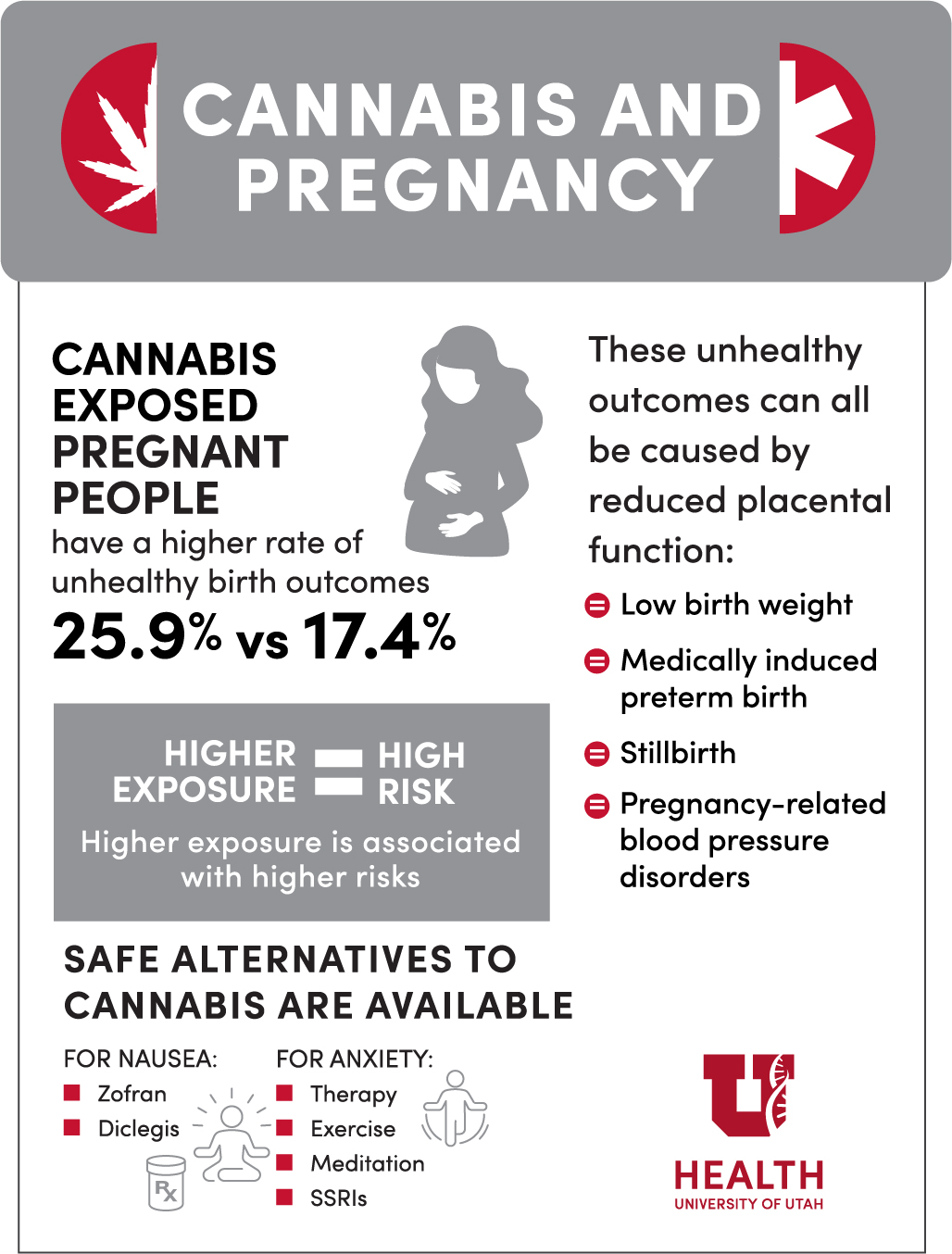
Cannabis use is increasing among reproductive age females. However, the effects of cannabis use on pregnancy and pregnancy outcomes remains largely unknown. Torri Metz, MD, MS, vice chair of research of obstetrics and gynecology, and Robert Silver, MD, professor and chair of obstetrics and gynecology, examined if cannabis use during pregnancy was associated with adverse pregnancy outcomes mediated by the placenta.

They analyzed the pregnancy outcomes of more than 9,000 people, including 610 who used cannabis during their pregnancies. Because self-reports of cannabis use can be unreliable, they used urine samples to estimate study participants’ exposure. After controlling for variables like socioeconomic status, nicotine use, and certain medical conditions

they found that individuals who used cannabis had a higher frequency of a composite adverse outcome which included small for gestational age babies (<5th percentile for age and sex), hypertensive disorders of pregnancy, medically indicated preterm birth and stillbirth. In addition, they found that ongoing use throughout pregnancy, and heavier use were associated with a higher risk of adverse pregnancy outcomes. Information about the risks of maternal cannabis use will be critical in counseling patients so they can make informed decisions about cannabis use during pregnancy.

References:

Issues Icon

Cannabis Exposure and Adverse Pregnancy Outcomes Related to Placental Function. Metz TD, Allshouse AA, McMillin GA, et al. JAMA. 2023;330(22):2191–2199. doi:10.1001/jama.2023.21146

Press Releases and Media:

Diabetes Drug Protects Against Muscle Loss

Graphic - Diabetes Drug Protects Against Muscle Loss

As we get older, it can be harder to bounce back from injury or prolonged periods of bed rest. That’s partly because it takes older adults longer to rebuild muscles that have atrophied due to disuse. The resulting weakness can limit mobility and put people at risk for falls, hospitalization, and even chronic disease. Encouragingly, it may be possible to protect older adults against muscle loss with a drug that millions of people already take.

That drug, metformin, helps to control blood sugar and is commonly used to treat diabetes. But it also changes the behavior of cells that can influence muscle regeneration and growth. When professor of physical therapy and athletic training Micah Drummond, PhD, and colleagues gave metformin to people over the age of 60 before and during a five-day period of bed rest, those individuals experienced less muscle atrophy than people who spent the same five days in bed, but took only a placebo. Participants’ muscles also had less fibrosis—a hardening of the tissue that can interfere with function—if they took metformin. Drummond and his colleagues think that’s because metformin limits senescence, a state in which cells tend to secrete factors that promote inflammation. He and his team are excited about the prospect of deploying metformin, a drug that is considered inexpensive and safe, to get people back on their feet faster.

References:

Issues Icon

Disuse-induced muscle fibrosis, cellular senescence, and senescence-associated secretory phenotype in older adults are alleviated during re-ambulation with metformin pre-treatment. Petrocelli JJ, McKenzie AI, de Hart NMMP, Reidy PT, Mahmassani ZS, Keeble AR, Kaput KL, Wahl MP, Rondina MT, Marcus RL, Welt CK, Holland WL, Funai K, Fry CS, Drummond MJ. Aging Cell. 2023 Nov;22(11):e13936.

Press Releases and Media:

Regulation and Remodeling of Membrane Microdomains of Cardiomyocytes During Heart Failure Progression

Graphic - Regulation and Remodeling of Membrane Microdomains of Cardiomyocytes During Heart Failure Progression

Millions of people worldwide live with heart failure, meaning their hearts can’t pump blood through the body as well as they should. That can lead to fatigue and shortness of breath, as the body struggles to get the oxygen it needs. Heart failure is a chronic, progressive condition, and as the heart weakens, everyday activities can become difficult. Some patients eventually require a heart transplant or a surgically implanted device like a defibrillator or a left ventricular assist device to survive. At U of U Health, scientists are learning how the molecular organization of heart cells changes as heart failure progresses, and using that knowledge to pioneer potential gene therapy for heart disease.

Associate Professor of Pharmacology and Toxicology TingTing Hong, PhD, and Robin Shaw, MD, PhD, director of the Nora Eccles Harrison Cardiovascular Research and Training Institute have zeroed in on a protein that helps organize molecules and channels on the outer surface of the heart’s muscle cells that are critical for coordinating the heart’s rhythmic contractions. Levels of that protein, cBIN1, tend to decline with heart failure, worsening the condition. Hong, Shaw and colleagues have found that gene therapy that restores cBIN1 can improve heart function in laboratory animals with heart failure. They’ve had success using cBIN1 gene therapy to restore function in animals whose hearts have been damaged by a lack of blood flow, similar to the myocardial ischemia patients can experience when an artery is blocked, as well as in non-ischemic cardiac myopathy. Their findings in animal models have paved the way to developing an innovative gene therapy for patients.

References:

Issues Icon

Cardiac gene therapy treats diabetic cardiomyopathy and lowers blood glucose. Li J, Richmond B, Cluntun AA, Bia R, Walsh MA, Shaw K, Symons JD, Franklin S, Rutter J, Funai K, Shaw RM, Hong T. JCI Insight. 2023 Sep 22;8(18).

Press Releases and Media:

Uncovering Disparities that Impact Heart Health

Photo for "Uncovering Disparities that Impact Heart Health" entry, featuring happy multi generational people having fun together at city park while hugging each other.


About 40 million adults in the United States take statin drugs to reduce their risk of heart disease and stroke. The drugs, which lower levels of LDL cholesterol, are considered safe for most people, and for many, their potential benefits are high. Many people who might benefit from statins, however, aren’t taking them.

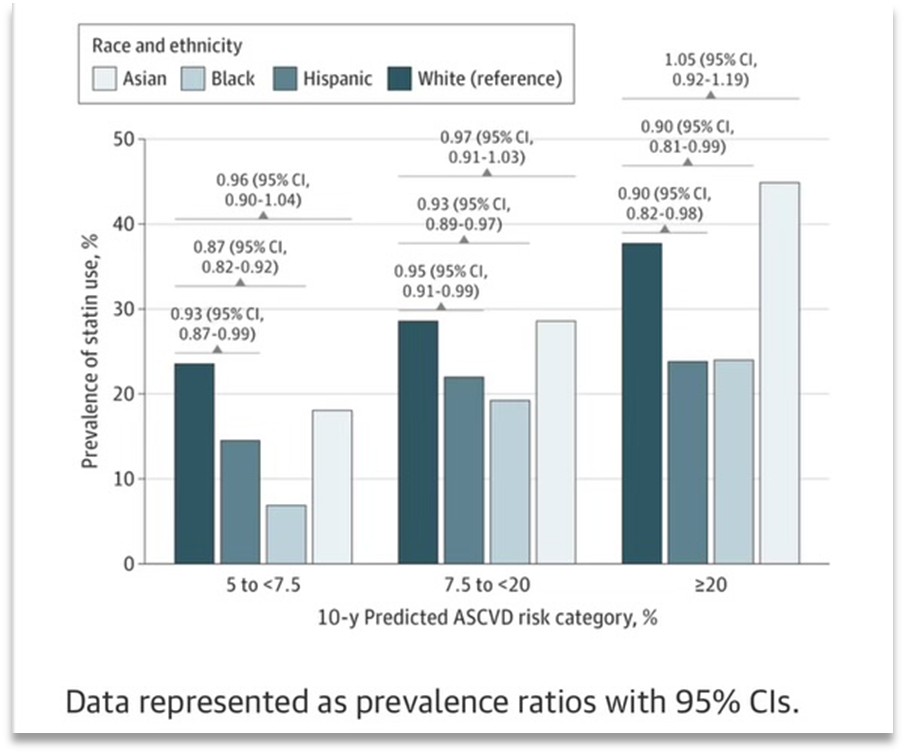
Graduate student Joshua Jacobs and Adam Bress, PharmD, MS, associate professor of population health sciences, analyzed data from National Health and Nutrition Examination Surveys completed between 2013 and 2020 and found the drugs are underutilized, particularly among Black and Hispanic Americans. Jacobs looked at data from more than 3,400 people and found that only about 30 percent of those with the highest risk of developing a cardiovascular problem in the next 10 years were taking statins. While 28 percent of White participants were being treated with the drugs, only 15 percent of Hispanic and 20 percent of Black participants were.

Although statins are among the most prescribed drugs in the United States, many patients who might benefit aren’t taking them. The findings highlight disparities in care and a need to identify barriers to treatment.

Graphic - Uncovering Disparities that Impact Heart Health

References:

Press Releases and Media:

Interactive Icon

CNN

Finding Inspiration for Drug Development in Metabolic Regulators

Photo of Kevin Hicks, PhD, at computer for "Finding Inspiration for Drug Development in Metabolic Regulators" entry

The metabolic pathways that shape how our bodies use nutrients and energy are under constant adjustment, with metabolites pay a key role in managing their function and activity. There are thousands of metabolites inside our cells, and surprisingly little is known about how most of them interact with other cellular components, even though when these interactions with proteins are disrupted, it can leave us more vulnerable to disease. New technology developed by U of U Health science faculty Jared Rutter, PhD, and Kevin Hicks, PhD, is changing that, allowing researchers to systematically identify which metabolites interact with particular proteins.

Rutter, Hicks, and their team used their platform, which they named MIDAS, to test for interactions between metabolites and the enzymes involved in carbohydrate metabolism. They found more than 800, many of which were previously unknown to researchers. With further experiments, they figured out exactly how several of the metabolites interact with enzymes to increase or dampen their activity. Their findings don’t just help explain how healthy cells work. By revealing specific ways in which metabolic pathways can be modulated, they suggest how drug developers might target the same pathways to treat disease. Atavistik, a company cofounded by Rutter, builds on this knowledge to explore potential treatments for cancer and metabolic diseases.

References:

Issues Icon

Protein-metabolite interactomics of carbohydrate metabolism reveals regulation of lactate dehydrogenase. Hicks KG, Cluntun AA, Schubert HL, Hackett SR, Berg JA, Leonard PG, Ajalla Aleixo MA, Zhou Y, Bott AJ, Salvatore SR, Chang F, Blevins A, Barta P, Tilley S, Leifer A, Guzman A, Arok A, Fogarty S, Winter JM, Ahn H-C, Allen KN, Block S, Cardoso IA, Ding J, Dreveny I, Gasper C, Ho Q, Matsuura A, Palladino MJ, Prajapati S, Sun P, Tittmann K, Tolan DR, Unterlass J, VanDemark AP, Vander Heiden MG, Webb BA, Yun C-H, Zhap P, Wang B, Schopfer FJ, Hill CP, Nonato MC, Muller FL, Cox JE, and Rutter J. Science 2023 Mar 10;379(6636):996-1003. doi: 10.1126/science.abm3452. 

Transferred Mitochondria Accumulate Reactive Oxygen Species, Promoting Proliferation

Cancer cells don’t act on their own. Their behavior is influenced by neighboring cells, which sometimes help them grow and spread. For instance, immune cells called macrophages patrol the body, engulfing and destroying potential threats. But when they interact with tumors, they can often produce signals that drive the disease. Scientists like U of U Health biochemist Minna Roh-Johnson, PhD, aim to learn how macrophages promote cancer’s growth and spread—a first step toward developing treatments that block those dangerous interactions.

Researchers in Roh-Johnson’s lab have uncovered a surprising way macrophages spur on cancer cells. She and her colleagues noticed that mitochondria—energy-generating structures inside cells—are often transferred from macrophages to tumor cells. While many scientists suspected the extra mitochondria might help fuel cancer cells, Roh-Johnson’s team saw something more complicated. Most of the transferred mitochondria couldn’t generate any energy at all—but they were surrounded by highly reactive metabolic byproducts called reactive oxygen species, which activated pathways that drive cell growth. Roh-Johnson notes that researchers have begun exploring the possibility of treating illness by delivering healthy mitochondria to damaged cells—suggesting it might one day be possible to manipulate these mitochondrial signals in cancer cells.

References:

Issues Icon

Transferred mitochondria accumulate reactive oxygen species, promoting proliferation. Kidwell CU, Casalini JR, Pradeep S, Scherer SD, Greiner D, Bayik D, Watson DC, Olson GS, Lathia JD, Johnson JS, Rutter J, Welm AL, Zangle TA, Roh-Johnson M. Elife. 2023 Mar 6:12:e85494.

Press Releases and Media:

Telehealth to Address Perinatal Depression

Graphic - Telehealth to Address Perinatal Depression

The debilitating sadness and anxiety of perinatal depression can strike during pregnancy or emerge in the weeks or months that follow. The condition, which affects up to 20 percent of pregnant women, can make even routine tasks and self-care a challenge, not to mention caring for an infant. Treatment with medication or psychotherapy usually helps, but most people with perinatal depression never receive the care they need. Connecting with doctors and therapists can be particularly difficult when clinics are far away, as is often the case in rural areas.

Recognizing how hard it can be for pregnant women and new moms to fit therapy into their lives, Gwen Latendresse, PhD, the College of Nursing’s Associate Director for Academic Programs, developed a way to bring therapy to them. Participants connect via videoconference once a week for an hourlong mindfulness-based cognitive behavioral therapy session. They evaluated the program in a study of 47 women who were experiencing or at high risk for perinatal depression and found that women welcomed the flexibility on-line therapy offered.  After eight sessions, women at risk for perinatal depression remained stable, and those who began the program with depression showed an improvement in their symptoms. With these promising results, Latendresse is optimistic that telehealth can bring effective mental health support to all patients, regardless of where they are.

References:

Issues Icon

Experiences with use of technology and telehealth among women with perinatal depression. Parameswaran UD, Pentecost R, Williams M, Smid M, Latendresse G. BMC Pregnancy Childbirth. 2022 Jul 18;22(1):571.

A Group Videoconference Intervention for Reducing Perinatal Depressive Symptoms: A Telehealth Pilot Study. Latendresse G, Bailey E, Iacob E, Murphy H, Pentecost R, Thompson N, Hogue C. J Midwifery Women’s Health. 2021 Jan;66(1):70-77.

Press Releases and Media:

Text icon

University of Utah Health: “For the Love of Mothers”

U of U Health Key Faculty Collaborators:

Marcela Smid, MD, MS, MA (Dept. of Obstetrics & Gynecology)

Seeing the Light

Most of the world’s leading causes of blindness are conditions that damage the eye’s retina. Diabetes, genetic conditions, and aging can all cause the retina to deteriorate, leading to vision loss for millions of people. Because human eyes are so different from the eyes of mice and other animal models, these conditions have been difficult to study. But scientists at U of U Health have opened the door to studying the function of both healthy and diseased retinas in human eyes donated after death.

Neurons in the retina quickly stop signaling after a person dies. But Frans Vinberg, PhD, neuroscientist at the John A. Moran Eye Center, and collaborators have figured out how to protect and revive postmortem retinas so they can be used in research. Vinberg and his colleagues found that the loss of signaling in postmortem retinas came down to oxygen deprivation and changes in pH. If donated eyes could be collected quickly enough to prevent severe oxygen deprivation—which they found meant retrieving the tissue in the first half-hour after death—and stored in a solution with the right pH balance, they could restore the most essential function of cells in the retina: communicating with one another in response to light. The team’s approach has changed the way scientists study diseases that cause blindness and might one day bring scientists closer to making donated retinas viable for transplantation.

References:

Issues Icon

Revival of light signalling in the postmortem mouse and human retina. Abbas, F., Becker, S., Jones, B. W., Mure, L. S., Panda, S., Hanneken, A., & Vinberg, F. Nature, 2022 Jun;606(7913):351-357. doi: 10.1038/s41586-022-04709-x. 

Illuminating the Mechanisms Behind Neuronal “Learning”

Graphic: Illuminating the Mechanisms Behind Neuronal “Learning”
Model describing how the number of AMPA-type glutamate receptors (AMPARs), and thus the strength of neuronal transmission mediated by the neurotransmitter glutamate, depends on kinesin motors that move along microtubule tracks to deliver and remove receptors from distant synapses. This dynamic process regulates how the strength of synapses can change with experience and is essential for the nervous system to learn and remember.

The strength of each of the thousands of synapses in a given neuron can be rapidly and independently modified in response to experience. What scientists do not yet understand is how distinct synapses distributed along neuronal processes—branches of a neuron which can project far from the cell body—are supplied with the appropriate type and number of neurotransmitter receptors. Previous studies from the laboratory of University of Utah Health scientist Andres Villu Maricq, MD, PhD, provided insight into this problem by showing that the delivery and removal of AMPA-type ionotropic glutamate receptors (AMPARs) to and from synapses depends on transport by kinesin protein motors. 

More recently, Maricq and colleagues have demonstrated that the coordinated activities of two major signaling pathways converge on a complex of scaffold proteins to regulate the loading of AMPAR cargo onto kinesin motors, thereby providing a mechanism to explain the rapid exchange of AMPARs in response to synaptic activity. These findings reveal mechanisms underlying the control of cellular transport, and have important implications for cellular models of learning and memory.

References:

Issues Icon

MAPK signaling and a mobile scaffold complex regulate AMPA receptor transport to modulate synaptic strength. Hoerndli FJ, Brockie PJ, Wang R, Mellem JE, Kallarackal A, Doser RL, Pierce DM, Madsen DM, Maricq AV. Cell Reports. 2022 Mar 29;38(13):110577. 

Opposite-Sex Parent’s Genetic Impact on Health and Behavior

Opposite-Sex Parent’s Genetic Impact on Health and Behavior
Maternally and paternally inherited genes affect offspring behavior differently.

Parenting is not the only way moms and dads impact the behavior of their offspring. Genes matter, too. Most of our genes are inherited in pairs—one copy from each parent. However, according to new research from the lab of University of Utah Health researcher Christopher Gregg, PhD, each parent has their own genetic impact on hormones and neurotransmitters that control mood and behavior. Catecholamines, including dopamine, noradrenaline and adrenaline, are hormones that have important effects on depression, addiction, obesity, and other major medical conditions. The Gregg lab made the surprising discovery that the maternally and paternally inherited gene copies of the enzymes that make catecholamines play different roles in offspring. The mother’s gene copy is activated in specific brain cells, and the father’s is active in subsets of cells in the adrenal gland. The study used new computer algorithms that make hundreds of measurements, finding that the mother’s gene copy affects specific behaviors and hormones in sons, while the father’s gene copy affects daughters. This study reveals important parental controls over sons and daughters.

References:

Issues Icon

Noncanonical genomic imprinting in the monoamine system determines naturalistic foraging and brain-adrenal axis functions. Bonthuis PJ, Steinwand S, Stacher Hörndli CN, Emery J, Huang WC, Kravitz S, Ferris E, Gregg C. Cell Reports. 2022 Mar 8;38(10):110500.

Press Releases and Media:

Teasing Apart Effects of Comorbid Conditions on Cardiovascular Health

Graphic: Teasing Apart Effects of Comorbid Conditions on Cardiovascular Health
This figure represents all of the University of Utah electronic health records as a patient disease network. Circles represent clinical variables such as health conditions, medical procedures, medications, and lab tests. Using artificial intelligence tools, U of U Health scientists combed through this database to find interactions between these variables to create a computational tool capable of helping doctors better predict heart disease risk factors.

Understanding the complex clinical variables that drive cardiovascular health outcomes in patients with multiple conditions poses a major challenge for personalized medicine. University of Utah Health researchers Karen Eilbeck, PhD, Martin Tristani-Firouzi, MD, and Mark Yandell, PhD, recently developed and deployed a massively scalable comorbidity discovery method to analyze electronic health records (EHRs) from the University of Utah and Primary Children’s Hospital (over 1.6 million patients and 77 million visits) for comorbid diagnoses, procedures, and medications. Using artificial intelligence, they tease apart the intertwined impacts of patients’ comorbid conditions and demographic characteristics upon cardiovascular health outcomes, focusing on the key areas of heart transplant, sinoatrial node dysfunction, and various forms of congenital heart disease.

The resulting “multimorbidity networks” enable wide-ranging exploration of the comorbid and demographic factors in cardiovascular outcomes, and can be distributed as web-based tools for further community-based health research.

The ability to transform enormous collections of EHRs into compact, portable tools devoid of Protected Health Information solves many of the legal, technological, and data-scientific challenges associated with large-scale EHR analyses.

References:

Issues Icon

An explainable artificial intelligence approach for predicting cardiovascular outcomes using electronic health records. Wesołowski S, Lemmon G, Hernandez EJ, Henrie A, Miller TA, Weyhrauch D, Puchalski MD, Bray BE, Shah RU, Deshmukh VG, Delaney R, Yost HJ, Eilbeck K, Tristani-Firouzi M, Yandell M. PLOS Digital Health. 2022;1(1):e0000004.

Press Releases and Media:

U of U Health Key Faculty Collaborators:

Joseph Yost, PhD

Engineered Human Juvenile Chondrocyte Sheets Safely Repair Damaged Cartilage

Graphic: Engineered Human Juvenile Chondrocyte Sheets Safely Repair Damaged Cartilage
Cartilage regeneration with engineered human juvenile cartilage-derived chondrocyte sheets. Four weeks after treatment are shown. a) Macroscopic image of repaired cartilage. b) Safranin-O and fast green staining. Red safranin-O staining indicates native-like hyaline cartilage. Fast green was used as a counter staining for bone and connective tissues. Right bottom boxes show defect only control samples with no cartilage regeneration.

The body cannot heal damage to cartilage, and such defects eventually progress to joint osteoarthritis, impacting more than 5.6 million Americans. Current approaches to repairing cartilage have issues in the quality of the repaired tissue, potential treatment variability, costs, and long wait times for patients. University of Utah Health researcher Makoto Kondo, PhD, and colleagues combined two cutting-edge methods to address these issues: (1) cell sheet technology, which generates sheets of cells to replace or repair damaged tissue; and (2) human juvenile chondrocyte sourcing, which harvests juveniles’ cartilage-generating cells (more active than adults’) from otherwise-discarded surgical byproducts. Early research has demonstrated the safety and efficacy of the engineered juvenile chondrocyte sheets. The juvenile cells generated tissue quickly, permitting large-scale production of cell sheets. Transplanting the sheets into rats with cartilage damage led to cartilage regeneration and rapid functional recovery. This approach overcomes the issues of other therapeutic options, enabling reliable and sustainable regenerative treatment for cartilage injuries. Further research will examine the complicated regenerative mechanism behind this method’s success and pioneer its application in humans. 

References:

Issues Icon

Safety and efficacy of human juvenile chondrocyte-derived cell sheets for osteochondral defect treatment.  Kondo M, Kameishi S, Kim K, Metzler NF, Maak TG, Hutchinson DT, Wang AA, Maehara M, Sato M, Grainger DW, Okano T. npj Regenerative Medicine. 2021 Oct 15;6(1):65.

Novel therapies using cell sheets engineered from allogeneic mesenchymal stem/stromal cells. Kondo M, Kameishi S, Grainger DW, Okano T. Emerging Topics in Life Sciences. 2020 Dec 17;4(6):677-689. 

U of U Health Key Faculty Collaborators:

Travis Maak, MD, Department of Orthopaedics
Jeffrey Weiss, PhD, Department of Biomedical Engineering
David Grainger, PhD, Department of Biomedical Engineering and Molecular Pharmaceutics
Teruo Okano, PhD, Department of Molecular Pharmaceutics

A Protein that Blocks Virus Budding

Graphic: A Protein that Blocks Virus Budding
RetroCHMP3 proteins (orange) inhibit the release and infectivity of HIV and other enveloped viruses without causing significant cellular toxicity.

HIV and other enveloped viruses wrap themselves in the cell’s external membrane exterior, forming buds. They are then released from cells using membrane-cutting machinery (called the ESCRT pathway) that they “steal” from the cell. This broad dependence upon the ESCRT pathway provides a potential target for blocking the replication of many different viruses. However, cells depend on the ESCRT pathway to perform critical functions, meaning that ESCRT-blocking strategies can also be toxic for cells.

A collaboration between the labs of University of Utah Health researchers Nels Elde, PhD, and Wesley Sundquist, PhD, showed that some mammals contain duplicated and shortened genes for a key ESCRT protein. The resulting “retroCHMP3” proteins block the release of HIV and other enveloped viruses. Remarkably, retroCHMP3 proteins from primates and mice appear to work by delaying ESCRT processes, causing extreme damage to HIV and other viruses but little harm to cells. This discovery creates the possibility of engineering retroCHMP3 mice and testing whether they are broadly protected against enveloped viruses, with the long-term goal of finding new ways to target the ESCRT pathway to counter viral infections.

References:

Issues Icon

RetroCHMP3 blocks budding of enveloped viruses without blocking cytokinesis. Rheinemann L, Downhour DM, Bredbenner K, Mercenne G, Davenport KA, Schmitt PT, Necessary CR, McCullough J, Schmitt AP, Simon SM, Sundquist WI, Elde NC. Cell. 2021 Oct 14;184(21):5419-5431.e16.

Press Releases and Media:

Late-in-life Exercise Training Increases Intracellular Protein Recycling in the Heart

Graphic: Late-in-life Exercise Training Increases Intracellular Protein Recycling in the Heart
Exercise induces autophagy, a “garbage recycling system” that clears damaged cellular components, in the aging heart

Heart cells (known as myocytes) work hard. Over a human lifetime, the heart beats approximately 2.5 billion times. As myocytes age, and especially in the presence of disease, they accumulate damaged intracellular components such as misfolded proteins. This build-up of damaged cellular material can cause cardiac dysfunction, diminish quality of life, and lead to premature death.

Cells have developed a means of identifying and recycling damaged components, through a mechanism termed autophagy (auto=‘self’; phagy=‘eating’). However, these autophagic control processes decline with aging—precisely when heart cells need them the most. Nutrition and Integrative Physiology PhD student Jaemin Cho, together with University of Utah Health researchers J. David Symons, PhD, and Sihem Boudina, PhD, collaborated on an investigation into whether late-in-life exercise in mice enhanced the protein recycling process. They observed that three months of daily treadmill training in very old mice dramatically increased autophagic machinery, enhanced the clearance of damaged proteins, and improved cardiac function. These findings provide the first evidence that late-in-life exercise training can improve cardiomyocyte quality control and function.

References:

Issues Icon

Late-in-life treadmill training rejuvenates autophagy, protein aggregate clearance, and function in mouse hearts. Cho JM, Park SK, Ghosh R, Ly K, Ramous C, Thompson L, Hansen M, Mattera MSLC, Pires KM, Ferhat M, Mookherjee S, Whitehead KJ, Carter K, Buffolo M, Boudina S, Symons JD. Aging Cell. 2021 Oct;20(10):e13467.

A Cellular Structure that Protects Against Amino Acid Stress

A Cellular Structure that Protects Against Amino Acid Stress
MDCs are membrane-bound structures that form from mitochondria in response to elevated amino acid levels in cells. MDCs cooperate with vacuoles (organelles containing digestive enzymes) to protect cells from amino acid toxicity.

Amino acids form the basic building blocks of all life, used by cells both as fuel and in building proteins and other complex molecules. Cellular amino acid levels must be tightly controlled. Amino acid surplus is problematic and is a characteristic of many age-related diseases, including cancer and diabetes. Scientists do not yet fully understand how cells detect and respond to amino acid excess, and how this excess causes cellular damage. Research from University of Utah Health scientist Adam Hughes, PhD, and colleagues discovered a new mechanism by which cells protect themselves from the toxic effects of amino acid excess. When faced with high amino acid levels, cells generate a membrane-bound structure from mitochondria, called the mitochondrial-derived compartment (MDC). MDCs promote the breakdown of amino acids. Loss of MDCs, in combination with other systems that regulate amino acid levels, causes cells to become highly sensitive to deviations in amino acid supply, leading to cell death. These results shed light on how cells regulate nutrient metabolism, advancing our understanding of how cells maintain metabolic stability.

References:

Issues Icon

Mitochondrial-derived compartments facilitate cellular adaptation to amino acid stress. Schuler MH, English, AM, Xiao T, Campbell TJ, Shaw JM, Hughes AL. Molecular Cell. 2021. Sep 16;81(18):3786-3802.e13.

Press Releases and Media:

U of U Health Key Faculty Collaborators:

Janet Shaw, PhD

MIC-Drop: A New Technology to Accelerate Gene Discovery

Graphic: MIC-Drop: A New Technology to Accelerate Gene Discovery
Hundreds of colored MIC-Drop droplets, each one-billionth of a liter in volume, are loaded into a microscopic glass needle in preparation for injection into zebrafish embryos. Each droplet contains the molecular machinery needed to edit a different zebrafish gene, along with a DNA “barcode” that can easily be read to identify which gene the droplet will edit.

Genome editing methods, such as the Nobel prize–winning CRISPR technology, enable scientists to make precise changes to genetic code. Beyond the potential to correct disease-causing mutations in humans, researchers discover genes’ functions by disrupting targeted genes in flies, fish, and other organisms and observing the effects on health and behavior. However, until recently, only one gene could be targeted at a time.

University of Utah Health researchers from the labs of Joseph Yost, PhD, and Randall Peterson, PhD, recently developed a method to target thousands of genes in parallel, rapidly accelerating discovery. Their Multiplexed Intermixed CRISPR Droplets (MIC-Drop) technique packages CRISPR components into tiny, oil-encased droplets, which each include a DNA “barcode” and can mingle without exchanging contents. By injecting a droplet into an organism, researchers can simultaneously edit a gene and mark the animal with easily recoverable information about which gene was targeted. The team has used MIC-Drop to identify sixteen genes that are critical for healthy heart development and function, and expects it to continue to accelerate the discovery of gene functions.

References:

Issues Icon

MIC-Drop: A platform for large-scale in vivo CRISPR screens. Parvez S, Herdman C, Beerens M, Chakraborti K, Harmer ZP, Yeh JJ, MacRae CA, Yost HJ, Peterson RT. Science. 2021 Sep 3;373(6559):1146-1151.

Press Releases and Media:

Focused Ultrasound as a Non-invasive Treatment for Breast Cancer

Graphic- Focused Ultrasound as a Non-invasive Treatment for Breast Cancer
Pictures of the non-invasive breast cancer treatment technology using a breast-specific magnetic resonance-guided, focused ultrasound system and real-time magnetic resonance image monitoring. A) Breast magnetic resonance-guided focused-ultrasound system installed in a magnetic resonance imaging scanner. B) Treatment cylinder component of the system where the treated breast is placed during the procedure. C) Temperature rise in the breast tumor during the ablation procedure. D) Cumulative thermal dose measured in cumulative equivalent minutes at 43°C (CEM 43°C) during the treatment, with red showing where cancer cells have been destroyed.


As physicians discover breast cancers at earlier stages, many women seek therapies that are effective yet non-invasive and non-scarring. Allison Payne, PhD, and her colleagues have developed a magnetic resonance-guided, focused ultrasound system specifically designed for breast tumor therapy. Steered by the physician, this system delivers high-intensity ultrasound waves to a precise area inside the breast, where non-invasively destroy malignant tissues are non-invasively destroyed with heat. This system was designed specifically for the patient’s comfort, with her laying on a customized table and her breast suspended in a treatment cylinder. Comfort is important because the patient may be inside the MRI machine for more than an hour. An additional innovation was the development of magnetic resonance imaging techniques that monitor, in real time, the temperature increase caused by the high-intensity ultrasound within the treatment tissues. This system is currently undergoing clinical trials and is with a goal of ultimately gaining FDA approval.  For patients who are medically-eligible, this technology represents a significant advance in breast cancer therapy.

References:

Issues Icon

Design and characterization of a laterally mounted phased-array transducer breast-specific MRgHIFU device with integrated 11-channel receiver array. Payne, A, Merrill R, Minalga E, Vyas U, de Bever J, Todd N, Hadley R, Dumont E, Neumayer L, Christensen D, Roemer R, Parker D. Med Phys. 2012 March;39(3):1552.

Issues Icon

An 11-channel radio frequency phased array coil for magnetic resonance guided high-intensity focused ultrasound of the breast. Minalga E, Payne A, Merrill R, Todd N, Vijayakumar S, Kholmovski E, Parker DL, Hadley JR. Magn Reson Med. 2013 January;69(1):295.

Issues Icon

In vivo evaluation of a breast-specific magnetic resonance guided focused ultrasound system in a goat udder model.Payne A, Todd N, Minalga E, Wang Y, Diakite M, Hadley R, Merrill R, Factor R, Neumayer L, Parker DL. Med Phys. 2013 July;40(7):073302.

Issues Icon

A breast-specific MR guided focused ultrasound platform and treatment protocol: first-in-human technical evaluation. A  Payne A, Merrill R, Minalga E, Hadley JR, Odéen H, Hofstetter LW, Johnson S, Tunon de Lara C, Auriol S, Recco S, Dumont E, Parker DL, Palussiere J. IEEE Trans Biomed Eng. 2021 Mar;68(3):893.

Press Releases and Media:

U of U Health Key Faculty Collaborators

Dennis L. Parker, PhD
J. Rock Hadley, PhD
Henrik Odéen, PhD

Glucagon Be-Gone: A Cure for Type 1 Diabetes?

Glucagon Be-Gone: A Cure for Type 1 Diabetes?
A re-grown pancreatic islet in a previously diabetic mouse treated with antagonists to glucagon action.

Cells within the pancreas produce the hormones insulin and glucagon, which have opposing actions on blood glucose. Insulin decreases blood glucose levels by promoting the utilization and storage of glucose while simultaneously repressing glucagon secretion. Glucagon opposes these actions, stimulating glucose production by the liver. In type 1 diabetes, where the insulin-producing cells are destroyed, glucagon levels remain perpetually elevated. The increase in glucagon is an important—but underappreciated—contributor to diabetes and its complications.

University of Utah Health investigator William Holland, PhD, and colleagues found that blocking glucagon action in mice restored levels of both insulin and glucose, effectively curing type 1 diabetes. Their groundbreaking work, which was published in the Proceedings of the National Academy of Sciences, reveals that suppressing glucagon production or action may be a viable means of treating type 1 diabetes.

References:

Issues Icon

Glucagon blockade restores functional β-cell mass in type 1 diabetic mice and enhances function of human islets. Wang MY, Dean ED, Quittner-Strom E, Zhu Y, Chowdhury KH, Zhang Z, Zhao S, Li N, Ye R, Lee Y, Zhang Y, Chen S, Yu X, Leonard DC, Poffenberger G, Von Deylen A, McCorkle SK, Schlegel A, Sloop KW, Efanov AM, Gimeno RE, Scherer PE, Powers AC, Unger RH, Holland WL. Proceedings of the National Academy of Sciences of the United States of America. 2021 Mar 2;118(9):e2022142118.

Press Releases and Media:

Controlling the Spread of Antibiotic Resistance

Graphic- Controlling the Spread of Antibiotic Resistance
Illustration of the effect of contact precautions (CPe) on the baseline infection transmission rate (Inf), comparing patients on contact precautions mandatory gowns, gloves, and masks; left) with those not on contact precautions (right).

Healthcare-associated infections due to antibiotic-resistant bacteria are costly and deadly. Michael Rubin, MD, and Matthew Samore, MD, generated new evidence on the effect of infection-prevention practices on the transmission of antibiotic-resistant pathogens, particularly methicillin-resistant Staphylococcus aureus (MRSA). They elucidated the epidemiological mechanisms for the progressive decline in rates of MRSA colonization and infection following the nationwide implementation of a program at Veterans Affairs healthcare facilities. The program introduced active surveillance to detect MRSA colonization in patients and placement of colonized patients on contact precautions, which involve the use of gowns and gloves by visiting healthcare workers. They used rigorous methods to evaluate the impact of this program and to model its cost-effectiveness, showing that the decrease in MRSA transmission that occurred following introduction of the program was largely due to contact precautions. Further, implementation of the program likely prevented a substantial number of infections from non-MRSA organisms, and was, therefore, highly cost-effective. Their studies generated important evidence for the role of contact precautions in preventing healthcare-associated infections, an issue of critical importance in healthcare epidemiology.

References:

Issues Icon

Relationships between the importation, transmission, and nosocomial infections of methicillin-resistant Staphylococcus aureus: an observational study of 112 Veterans Affairs Medical Centers. Jones M, Ying J, Huttner B, Evans M, Maw M, Nielson C, Rubin MA, Greene T, Samore MH. Clin Infect Dis. 2014 January;58(1):32.

Issues Icon

Efficient parameter estimation for models of healthcare-associated pathogen transmission in discrete and continuous time. Thomas A, Redd A, Khader K, Leecaster M, Greene T, Samore M. Math Med Biol. 2015 March;32(1):79.

Issues Icon

Economic analysis of Veterans Affairs initiative to prevent methicillin-resistant Staphylococcus aureus infections. Nelson RE, Stevens VW, Khader K, Jones M, Samore MH, Evans ME, Douglas Scott, R 2nd, Slayton RB, Schweizer ML, Perencevich EL, Rubin MA. Am J Prev Med. 2016 May;50(5 Suppl 1):S58.

Issues Icon

Vital Signs: Trends in Staphylococcus aureus Infections in Veterans Affairs Medical Centers – United States, 2005-2017. Jones M, Jernigan JA, Evans ME, Roselle GA, Hatfield, KM, Samore MH. MMWR Morb Mortal Wkly Rep. 2019 March 8;68(9):220.

Issues Icon

Variation and trends in transmission dynamics of methicillin-resistant Staphylococcus aureus in Veterans Affairs hospitals and nursing homes. Khader K, Thomas A, Jones M, Toth D, Stevens V, Samore MH, the CDC Modeling Infectious Diseases in Healthcare Program. Epidemics. 2019 September;28:100347.

Issues Icon

Expanding an economic evaluation of the Veterans Affairs (VA) methicillin-resistant Staphylococcus aureus (MRSA) prevention initiative to include prevention of infections from other pathogens. Nelson RE, Goto M, Samore MH, Jones M, Stevens VW, Evans ME, Schweizer ML, Perencevich EN, Rubin MA. Clin Infect Dis. 2021 January 29;72(Supplement_1):S50.

Issues Icon

National estimates of healthcare costs associated with multidrug-resistant bacterial infections among hospitalized patients in the United States. Nelson RE, Hatfield KM, Wolford H, Samore MH, Scott RD, Reddy SC, Olubajo B, Paul P, Jernigan JA, Baggs J. Clin Infect Dis. 2021 January 29;72(Supplement_1):S17.

Issues Icon

Association between contact precautions and transmission of methicillin-resistant Staphylococcus aureus in  Veterans Affairs hospitals. Khader K, Thomas A, Stevens V, Visnovsky L, Nevers M, Toth D, Keegan LT, Jones M, Rubin M Samore MH. JAMA Netw Open. 2021 March 1;4(3):e210971.

A New Form of Glutamate Signaling Discovered in Migraine

Graphic- A New Form of Glutamate Signaling Discovered in Migraine
A) Plumes result from an imbalance between release of glutamate from neurons and its reuptake by astrocytes. B) Plumes occur both during initiation (left) and propagation (right) of spreading depolarizations (SD), waves of excitation that occur in multiple neurologic diseases.

Migraine is a disorder of the sensory nervous system, consisting of head pain and debilitating sensory amplifications, wherein the normal senses we use in daily living become painful.  Although migraine is thought to be the result of increased nervous system excitability, the actual mechanisms are poorly understood.  Using two-photon microscopy, K.C. Brennan, MD, and colleagues discovered unusual activity of the excitatory neurotransmitter glutamate in mice carrying a mutated gene identified from a family with inherited migraine. These ‘plumes’ of glutamate release were much more common in mice carrying the migraine mutation than in those without.  Moreover, a flurry of plume events preceded spreading depolarizations, massive waves of excitation that cause the migraine aura.  This novel finding is important beyond migraine, because spreading depolarizations occur in several other conditions, including stroke and traumatic brain injury. Thus, plumes represent a novel mechanism of excitability in the brain, relevant to a broad array of neurologic diseases.

References:

Issues Icon

Non-canonical glutamate signaling in a genetic model of migraine with aura. Parker PD, Suryavanshi PS, Melone M, Sawant-Pokam PM, Reinhart KM, Kaufmann D, Theriot JJ, Pugliese A, Conti F, Shuttleworth CW, Pietrobon D, Brennan KC. Neuron.2021 Feb 17;109(4):611.e8. PMID: 33321071. 

Press Releases and Media:

U of U Key Faculty Collaborators

Punam Sawant-Pokam, PhD
Dan Kaufmann, PhD

The Levonorgestrel Intrauterine Device is Effective as Emergency Contraception

Graphic- The Levonorgestrel Intrauterine Device is Effective as Emergency Contraception

Emergency contraception prevents pregnancy after sexual intercourse. The FDA has approved two “morning-after” pills for this purpose, and the copper intrauterine device (IUD) is an order of magnitude more effective than these oral options. For non-emergency contraception, many people prefer the hormone levonorgestrel-releasing IUD over the copper IUD because it reduces or eliminates menstrual bleeding and cramping. 

University of Utah Health researcher David Turok, MD, and colleagues were the first to evaluate the levonorgestrel IUD for emergency use. Their NIH-funded research randomized 638 people seeking emergency contraception in six Utah clinics to either the levonorgestrel IUD or the copper IUD and found the hormonal IUD to be as effective as the copper IUD for emergency pregnancy prevention. As a result, levonorgestrel IUD has already been approved for use by all Planned Parenthood Federation of America clinics nationwide. 

By demonstrating that people can begin a levonorgestrel IUD at any time in the menstrual cycle, regardless of recent unprotected intercourse, this study introduced the first new emergency contraception option in a decade, providing effective contraception with a favorable side-effect profile.

References:

Issues Icon

Levonorgestrel vs. copper intrauterine devices for emergency contraception. Turok DK, Gero A, Simmons RG, Kaiser JE, Stoddard, GJ, Sexsmith CD, Gawron LM, Sanders JN. N Engl J Med. 2021 Jan 28;384(4):335-344.

Press Releases and Media:

U of U Health Key Faculty Collaborators

Rebecca Simmons, PhD
Jennifer Kaiser, MD
Lori Gawron, MD
Jessica Sanders, PhD

Effectiveness of Physical Therapy for Back Pain

Graphic- Effectiveness of Physical Therapy for Back Pain
A randomized controlled trial examined the effects of early referral to physical therapy plus a single educational session versus a single educational session alone on disability among patients with acute sciatica. Patients referred to physical therapy reported reduced pain and disability. Reproduced with permission from https://www.acpjournals.org/doi/10.7326/M20-4187. ©American College of Physicians.


Back pain is among the most common reasons for visits to physicians and physical therapists and is the costliest health condition in the US. Twenty years ago, the scientific basis to guide decision-making on treatments for specific types of back pain was weak. Since then, Julie Fritz, PhD, and colleagues have conducted a series of rigorous randomized clinical trials examining patients with acute back pain, back pain accompanied by sciatica, and back pain due to spinal stenosis. Their recent study found that patients with back pain and sciatica who were referred to physical therapy for treatment with exercise and manual therapy were more likely to rate their treatment as successful and reported significantly greater reductions in pain and disability than patients who were not referred. These studies have defined effective physical therapy treatments for these conditions and facilitated clinical decision making and strategies to personalize physical therapy treatments. 

References:

Issues Icon

Early physical therapy vs usual care in patients with recent-onset low back pain. Fritz JM, Magel JS, McFadden M, Asche CV, Thackeray A, Meier W, Brennan G. JAMA. 2015 October 14;314(14):1459.

Issues Icon

Prevention and treatment of low back pain: evidence, challenges, and promising directions. Foster NE, Anema JR, Cherkin D, Chou R, Cohen SP, Gross DP, Ferreira PH, Fritz JM, Koes BW, Peul W, Turner JA, Maher CG. Lancet. 2018 June 9;391(10137):2368.

Issues Icon

Physical therapy referral from primary care for acute back pain with sciatica: a randomized controlled trial. Fritz JM, Lane E, McFadden M, Brennan G, Magel JS, Thackeray A, Minick K, Meier W, Greene T. Ann Intern Med. 2021 January;174(1):8.

Press Releases and Media:

U of U Health Key Faculty Collaborators

Jake Magel, PhD
Tom Greene, PhD
Anne Thackeray, PhD
Elizabeth Lane, PhD

Myocardial Recovery in Chronic Heart Failure

Graphic- Myocardial Recovery in Chronic Heart Failure
The recovering heart increases the production of a mitochondrial pyruvate carrier protein (MPC), which transports pyruvate into the mitochondria where it is oxidized and fuels energy production.

Chronic heart failure is a disease with poor prognosis and currently is a global epidemic. University of Utah Health investigator Stavros George Drakos, MD, and colleagues analyzed human heart tissue and produced evidence refuting the widely held notion that prolonged off-loading of the failing heart induced by cardiac assist devices results in disuse atrophy that further deteriorates heart function. In contrast, there was significant heart recovery following the implantation of cardiac assist devices. These beneficial outcomes were recently validated in a multicenter trial co-led by the University of Utah.

To elucidate the mechanisms driving these favorable outcomes, they performed microstructural and metabolic studies. They discovered that, in humans and animals, the recovering heart exhibited preference for glucose oxidation over lactate production. To accomplish this, the recovering heart increases the production of a mitochondrial pyruvate carrier protein (MPC), which transports pyruvate into the mitochondria where it is oxidized and fuels energy production. This research has been conducted through the multidisciplinary Utah Cardiac Recovery Program, comprising investigators from the Nora Eccles Harrison Cardiovascular Research & Training Institute, multiple U of U departments, Intermountain Healthcare, Salt Lake VA as well as international collaborators. These recent discoveries provide critical scientific and clinical insights and novel therapeutic targets for heart failure.

References:

Issues Icon

Magnitude and time course of changes induced by continuous-flow left ventricular assist device unloading in chronic heart failure: insights into cardiac recovery. Drakos SG, Wever-Pinzon O, Selzman CH, Stehlik J, Gilbert EM, Alharethi EM, Reid BB, Budge D, Movsesian M, Li DY, Kfoury AG (UCAR Investigators). J Am Coll Cardiol. 2013 May 14;61(19):1985.

Issues Icon

Myocardial atrophy and chronic mechanical unloading of the failing human heart: implications for ventricular assist devices-induced cardiac recovery. Diakos NA, Selzman CH, Sachse FB, Stehlik J, Kfoury AG, Reid BB, Miller DV, Salama ME, Fang JC, Drakos SG. J Am Coll Cardiol. 2014 October 14;64(15):1602.

Issues Icon

Evidence of glycolysis upregulation and pyruvate mitochondrial oxidation mismatch during mechanical unloading of the failing human heart: implications for cardiac reloading and conditioning. Diakos NA, Navankasattusas S, Abel ED, Rutter J, McCreath L, Ferrin P, McKellar SH, Richardson R, Deberardinis R, Kfoury AG, Selzman CH, Stehlik J, Fang JC, Li DY, Drakos SG. JACC Basic Transl Sci. 2016 October;1(6):432.

Issues Icon

Impact of heart failure etiology on the incidence of cardiac recovery during mechanical unloading: a prospective study from the utah cardiac recovery program. Wever-Pinzon J, Selzman CH, Wever-Pinzon O, Catino A, Kfoury AG, Stehlik J, Al- Sarie M, Stoddard G, McKellar S, Bonios MJ, Koliopoulou A, Fang JC, Drakos SG. J Am Coll Cardiol. 2016 October 18;68(16):1741.

Issues Icon

Sheet-like remodeling of the transverse tubular system in human heart failure impairs excitation-contraction coupling and functional recovery by mechanical unloading. Seidel T, Navankasattusas S, Ahmad A, Diakos NA, Xu WD, Tristani-Firouzi M, Bonios MJ, Taleb I, Li DY, Selzman CH, Drakos SG*, Sachse FB* (*Co-Corresponding authors). Circulation. 2017 April 25;135(17):1632.

Issues Icon

 Cardiac rotational mechanics as a predictor of myocardial recovery in heart failure patients undergoing chronic mechanical circulatory support. Bonios MJ, Koliopoulou A, Wever-Pinzon O, Taleb I, Xu W, Stehlik J, Kfoury AG, Horne BD, Selzman CH, Fang JC, Bax JJ, Drakos SG. Circulation: Cardiovascular Imaging. 2018 April;11(4):e007117.

Issues Icon

The human heart contains distinct macrophage subsets with divergent origins and functions. Bajpai G, Schneider C, Bredemeyer A, Hulsman M, Nahrendorf MP, Epelman S, Kreisel D, Itoh A, Selzman C, Sankar T, Drakos SG, Lavine KJ. Nature Medicine. 2018 August; 24(8):1234.

Issues Icon

The role of non-glycolytic glucose metabolism in myocardial recovery upon mechanical unloading and circulatory support in chronic heart failure. Badolia R, Ramadurai D, Abel ED, Ferrin P, Taleb I, Sankar T, McKellar S, Yin M, Kfoury AG, Wever-Pinzon O, Fang JC, Selzman CH, Chaudhuri D, Rutter J, Drakos SG. Circulation. 2020 July 21;142(3):259.

Issues Icon

A prospective multicentre study of myocardial recovery using left ventricular assist devices (remission from Stage D heart failure: RESTAGE-HF): medium term and primary endpoint results. Birks EJ*, Drakos SG* (*co-corresponding authors), Patel SR, Lowes BD, Selzman CH, Starling RC, Trivedi J, Slaughter MS, Goldstein D, et al. Circulation. 2020 November 24;142(21):2016.

Issues Icon

The pyruvate-lactate axis modulates cardiac hypertrophy and heart failure. Cluntun AA, Badolia R, Lettlova S, Parnell KM, Shankar TS, Diakos NA, Olson KA, Taleb I, Tatum SM, Berg JA, Cunningham CC, Krokidi AT, Skedros S, Navankasattusas S, Cox JE, Ducker GS, Holland WL, McKellar SH, Rutter J, Drakos SG. Cell Metabolism. 2021 Mar 2;33(3):629.

Press Releases and Media

U of U Health Key Faculty Collaborators:

Craig H. Selzman, MD
Jared P. Rutter, PhD
Omar WeverPinzon, MD
Frank Bernd Sachse, Dr.-Ing